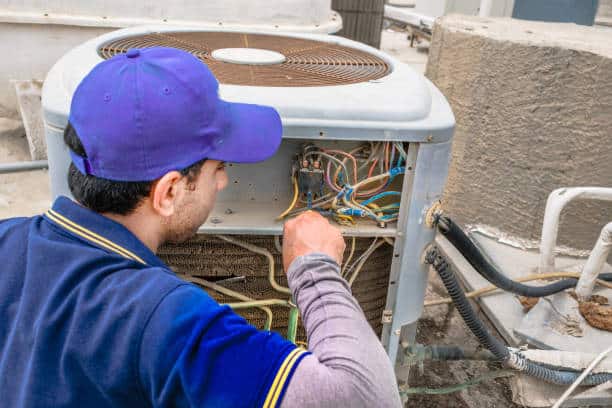
You’ve probably experienced it – you’re relaxing at home when suddenly, a strange noise or an unpleasant odor begins to emanate from your AC system. Or maybe your energy bills have risen unexpectedly. These are just a few signs that your AC might be in trouble. It’s more than just an inconvenience; these issues could be warning signs of a more significant problem. What are these signs, and why should you pay attention to them? Let’s explore this topic further to help you keep your AC running efficiently and effectively.
Unusual Noises From Your AC
If your AC unit starts making strange noises, paying attention to it is crucial. These noises might include squealing, grinding, or grating sounds. A squealing noise could indicate that the belt has slipped out of place or that a metal component in your AC needs lubrication. Grinding sounds may suggest that the motor’s bearings are broken.
You’re not expected to diagnose these problems yourself. That’s where professionals come in. However, identifying and describing these noises to a technician can help expedite the troubleshooting process. It’s crucial to fix these problems promptly to prevent further damage to your AC unit, which could lead to more costly repairs or even a total replacement.
Constant Cycling On and Off
A significant sign of a struggling AC system is its constant cycling on and off, which can hint at various underlying issues needing immediate attention. When your AC functions efficiently, it should maintain a consistent cycle, turning itself off once it adequately cools your space and turning back on when the temperature rises.
However, noticing frequent cycling, even when the temperature is steady, clearly indicates something’s amiss. This constant on-and-off pattern disrupts your comfort and places undue strain on your AC system, potentially leading to costly repairs or even a complete system failure if not addressed promptly.
The root cause could be one of many things. Your unit might be oversized, making it cool your space too quickly, triggering the system to turn off and on rapidly. It could also be due to a dirty air filter obstructing airflow, causing your AC to work overtime. Alternatively, it could be a malfunctioning thermostat that’s unable to gauge and regulate the temperature accurately.
Unpleasant Odors in the Air
Moving on from constant cycling, another noticeable warning sign is the presence of unpleasant odors in the air when your AC system is in operation. If you’re noticing a musty or burnt smell, don’t ignore it. This could be indicative of serious issues that require immediate attention.
Musty odors usually indicate mold or mildew buildup within your AC system. Not only can this damage your unit, but it can also pose serious health risks to you and your family. Meanwhile, a burnt smell is often a sign of overheating parts or wiring issues within your unit. Ignoring this could lead to catastrophic failure or even a fire.
When you notice these smells, it’s critical to act promptly. Contact a professional HVAC technician for a thorough inspection and cleaning. Remember, it’s not just about maintaining the functionality of your AC system; it’s also about ensuring the safety and well-being of those in your care.
Decreased Airflow and Cooling
When your air conditioner isn’t providing the cool relief you expect, decreased airflow might be the culprit. This cooling deficit could be due to duct blockages, a failing motor, or a clogged air filter. It’s important to address this issue promptly, as it can cause your system to work harder, leading to increased energy consumption and potential system failure.
You’ll notice decreased airflow when specific areas or rooms in your home aren’t as cool as they should be. You might also feel less air coming from the vents or observe your AC running for longer periods without adequately cooling your home. These are clear indicators that your system isn’t efficiently circulating air and require immediate attention.
High Humidity Levels Indoors
If you’re constantly feeling muggy or damp indoors, it might be a sign that your AC system isn’t effectively controlling the humidity levels. A well-functioning AC unit not only cools your space but also reduces excess moisture.
Consider these scenarios when indoor humidity may be a trouble sign:
- You’re noticing condensation on windows or glass surfaces.
- Your home feels stuffy, and the air has a sticky feeling.
- You’re experiencing unusual respiratory discomfort.
- Musty smells pervade your space, hinting at possible mold development.
These signs can indicate that your AC system isn’t dehumidifying as it should. Addressing this swiftly is essential, as high humidity can lead to structural damage, health issues, and overall discomfort. It’s not just about maintaining a cool temperature; it’s about creating a healthy and comfortable environment.
Excessive Moisture or Leaks
Another red flag that your AC system may need attention is the presence of excessive moisture or leaks around your unit. This could be a sign of a serious issue that requires immediate attention.
While some condensation around your AC unit is expected, particularly on hot or humid days, excessive moisture or noticeable leaks are not. It’s crucial to address this issue promptly as it could indicate a refrigerant leak, which is detrimental to your system’s efficiency and can pose health risks.
Besides, moisture can lead to mold growth, causing further damage to your AC system and potentially leading to health problems. Consequently, don’t dismiss it lightly if you’re noticing water pooling around your AC unit or dampness on the surrounding walls or floor.
You might also notice ice formation on your AC unit. This is another warning sign of a potential leak or a problem with the refrigeration system.
Spike in Energy Bills
Experiencing a sudden spike in your energy bills can be a clear indication that your AC system is working harder than it should be and demands immediate attention. This escalation isn’t always due to increased usage or higher energy prices; it could indicate inefficiency in your AC system.
To understand this better, consider these scenarios:
- Your AC system runs longer than usual, but your home still doesn’t reach the desired temperature.
- There’s an unusual amount of dust around the vents or across your living space.
- Your AC system frequently cycles on and off, which consumes more energy.
- The airflow from your AC vents is weaker than before, meaning the system struggles to circulate air.
These situations indicate your AC system might be overworked, leading to higher energy consumption and inflated bills. It is crucial to address this promptly to prevent further damage to the system and regain control of your energy expenses. Reach out to a professional technician for a thorough inspection and necessary repairs.
Thermostat Inconsistencies
While keeping an eye on your energy bills is important, noticing inconsistencies in your thermostat readings can also signal that your AC system needs attention. If your thermostat is displaying temperatures that don’t match the feel of your home, it’s a clear sign that something’s amiss.
In some cases, your thermostat might be out of calibration. It could be reading too high or too low, causing your AC system to run inefficiently. This means you’re not getting the cooling you need and will likely be wasting energy. If you notice a significant mismatch between your thermostat’s reading and the actual temperature, it’s time to call in a professional.
Sometimes, the problem might be due to faulty wiring or a malfunctioning sensor in the thermostat itself. If the thermostat isn’t sending the right signals to your AC system, you’ll experience uneven cooling, hot spots in your home, and other discomforts.
Conclusion
So, if your AC starts making strange noises, constantly cycles, emits foul smells, or simply isn’t cooling as it should, don’t ignore these signs. Imagine coming home to a stifling house on a hot summer day because you overlooked these warning signs. Always consult a professional promptly to avoid a complete system breakdown and guarantee your AC operates at peak efficiency. Remember, a well-maintained AC not only cools your home but also saves on energy bills.
Frequently Asked Questions
How Often Should I Replace My AC Filters?
You should replace your AC filters every 60 to 90 days. If you live in a dusty area or have pets, you’ll want to change them monthly. This is essential to maintaining air quality and efficiency.
What Are the Typical Life Expectancy for Modern AC Systems?
Typically, you’re not out of the woods after 15-20 years with modern AC systems. Variables like usage, maintenance, and climate affect lifespan. Regular service keeps it running smoothly and prolongs its life.
Can I Perform Any Preventative Maintenance on My AC System Myself?
Yes, you can perform essential maintenance on your AC system. This includes regularly changing the air filter, keeping the unit debris-free, and ensuring all vents are unblocked. Always consult a professional for major issues.
What Are the Benefits of Upgrading to a High-Efficiency AC System?
Upgrading to a high-efficiency AC system can drastically reduce your energy bills. You’ll enjoy a more comfortable environment, better air quality, and more reliable performance. Plus, it’s a great way to decrease your environmental footprint.