Maintaining your water heater is like tuning up your car; neglect it, and you’ll soon face bigger issues. In Bedford, NH, where winters can be harsh, ensuring your water heater runs efficiently is vital. A simple annual check can prevent unexpected breakdowns and costly repairs. So, what are the key steps you should take to keep your system in top shape? Let’s explore the essential maintenance tips every homeowner should know.
Understanding Your Water Heater System
Understanding your water heater system is essential for maintaining its efficiency and longevity. Knowing how your system works helps you identify potential issues before they escalate. Your water heater typically operates using electricity or gas, heating water for your household needs.
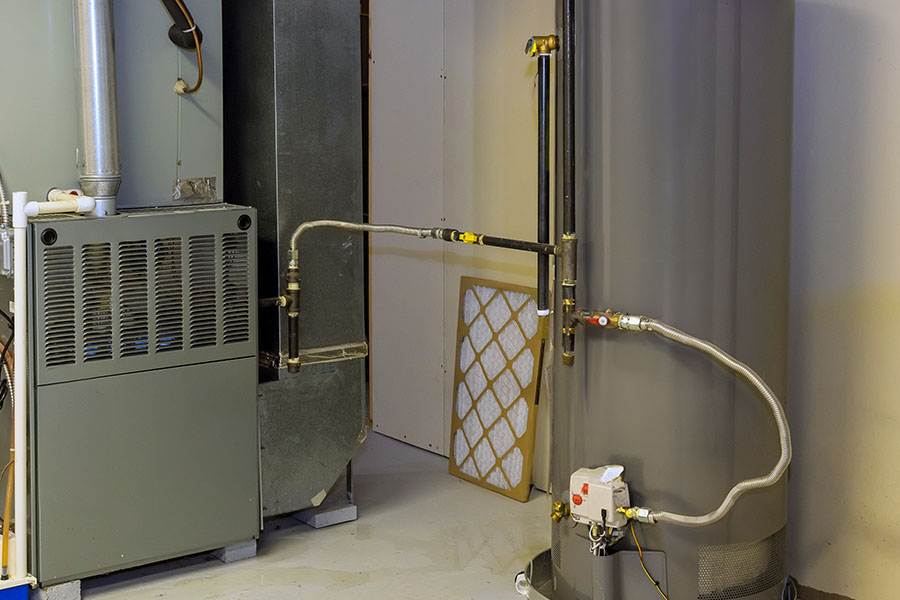
Familiarize yourself with its components, including the thermostat, heating elements, and pressure relief valve. Regularly check the temperature setting; it should be around 120 degrees Fahrenheit for ideal performance and safety.
Pay attention to any strange noises, leaks, or fluctuating water temperatures, as these can indicate problems. Make certain to inspect the anode rod every couple of years. This rod helps prevent rust and extends the life of your water heater. Additionally, consider scheduling regular maintenance to ensure optimal performance and longevity of your unit.
Finally, keep the area around your water heater clear of debris and insulation to guarantee proper ventilation and access for repairs. Understanding these basics sets the foundation for effective water heater maintenance.
Regular Inspection and Maintenance Schedule
Regular Inspection and Maintenance Schedule
Establishing a regular inspection and maintenance schedule for your water heater is essential to ensure its ideal performance and longevity.
To start, plan for inspections at least once a year. During these check-ups, look for signs of wear, leaks, or unusual noises. Don’t forget to check the temperature setting; ideally, it should be around 120°F for efficiency and safety.
Additionally, consider seasonal maintenance, especially before winter. You’ll want to verify your system operates smoothly when you need it most. If you notice any issues during inspections, address them promptly to avoid more significant problems down the road.
Keeping a maintenance log can be helpful; it lets you track service dates and any repairs made. Regular maintenance also ensures that you benefit from the energy-efficient solutions that tankless systems provide, ultimately leading to lower utility bills.
Finally, if you’re unsure about performing these tasks yourself, don’t hesitate to reach out to a professional like LHR Plumbing, Heating & Air for reliable service and expert advice.
Flushing the Tank to Remove Sediment
Regular inspections are important, but don’t overlook the significance of flushing your water heater tank to remove sediment buildup. Sediment can accumulate over time, affecting your heater’s efficiency and lifespan.
When you flush your tank, you’re helping it operate smoothly and maintaining peak performance. It’s also crucial to consider that emergency plumbing services might be necessary if you encounter any issues while performing maintenance.
To flush your water heater, start by turning off the power or gas supply. Then, connect a garden hose to the drain valve at the bottom of the tank and place the other end outside or in a bucket.
Open the drain valve slowly, allowing the sediment to flow out. It’s a good idea to let the water run until it appears clear.
Once done, close the valve, remove the hose, and refill the tank. This simple maintenance task should be performed annually to guarantee your water heater functions efficiently.
If you’re unsure, don’t hesitate to call LHR Plumbing, Heating & Air for assistance!
Checking and Replacing the Anode Rod
While many homeowners overlook it, checking and replacing the anode rod is vital for extending the life of your water heater. The anode rod helps prevent tank corrosion by attracting corrosive elements in the water, protecting the tank itself.
To check it, turn off the power and water supply, then remove the rod from the top of the tank. Inspect it for signs of wear; if it’s less than half an inch thick or heavily corroded, it’s time to replace it.
You should aim to check the anode rod every 1-2 years, especially in areas with hard water, as it can degrade more quickly. Additionally, regular maintenance can maximize efficiency by addressing minor problems early.
Replacing it is a straightforward task, and you can often find replacement rods at home improvement stores. By keeping an eye on this vital component, you’ll help guarantee your water heater operates efficiently and lasts longer, saving you money in the long run.
Ensuring Proper Temperature Settings and Pressure Relief Valve Function
To guarantee your water heater operates efficiently, it’s vital to check the temperature settings and the functionality of the pressure relief valve. Proper temperature settings not only secure comfort but also prevent scalding and energy waste. Aim for a temperature of around 120°F for peak performance.
Additionally, the pressure relief valve is important for safety. Here are some key points to remember:
- Check the temperature setting—set it around 120°F.
- Inspect the pressure relief valve—test it at least once a year.
- Look for leaks—any signs around the valve indicate a problem.
- Listen for unusual noises—these can signal issues with the tank.
- Schedule professional maintenance—a technician can verify everything’s functioning correctly.

Conclusion
By prioritizing proper maintenance, you can protect your water heater and promote performance. Regularly inspecting, flushing, and fixing your system keeps it running smoothly and safely. Don’t forget to check that temperature and test the pressure relief valve to prevent potential problems. With diligent dedication to these essential tasks, you’ll guarantee your water heater remains a dependable source of hot water for years to come. Keep your heater happy, and it’ll serve you splendidly!