
Most water heater repair calls in Bedford, NH trace back to sediment. It settles in the bottom of the tank, cuts efficiency, and makes the unit work harder for the same hot water. Catch the warning signs early and you replace a part instead of the whole tank.
Key Points
- Sediment: Buildup in the tank cuts efficiency and shortens the unit’s life.
- Warning signs: Swinging temperatures, rumbling noises, puddles, rusty water, and rising energy bills.
- Annual flush: Draining the tank once a year clears the debris behind most problems.
- Anode rod: A corroded rod stops protecting the tank, which usually shows up as discolored water.
- Professional inspection: A water heater repair visit catches corrosion and gas safety issues a visual check misses.
Nearly every water heater repair need comes down to sediment, corrosion, or a failing component, and all three are catchable during an annual service visit. LHR Plumbing, Heating & Air runs 24/7 for plumbing, heating, and cooling emergencies, and every visit is handled by a certified technician and backed by a satisfaction guarantee.
What Are the Signs You Need Water Heater Repair?
Your water heater warns you before it quits. Fluctuating temperatures and an inconsistent hot water supply are the first signals most Bedford homeowners notice.
- Uneven temperatures: Hot water runs out faster than it used to, or swings hot to cold.
- Rumbling or popping: Usually points to sediment collecting on the tank floor.
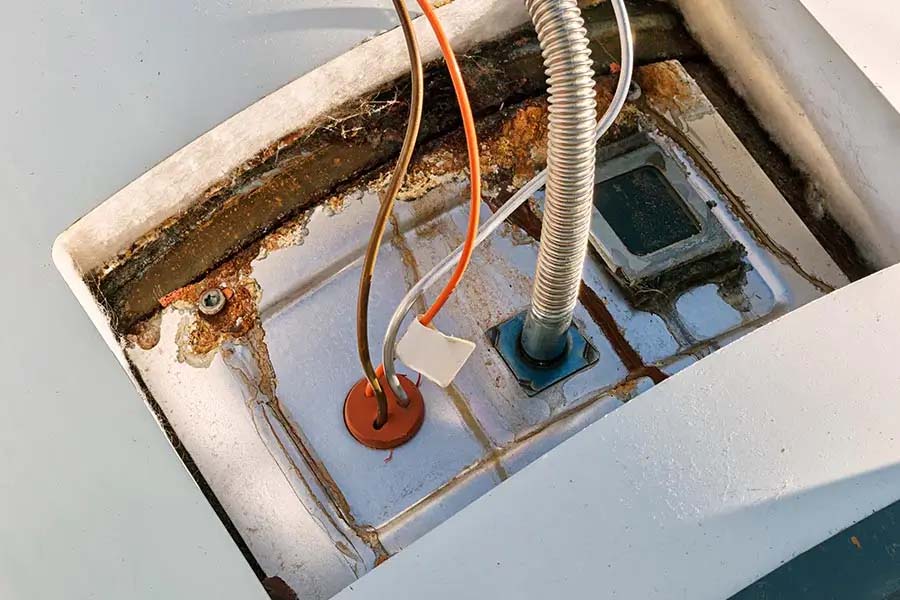
- Puddles at the base: Often signals a failing valve or a corroded tank.
- Rusty or discolored water: Typically means corrosion has started inside the tank.
- Rising energy bills: The unit is working harder than it should to hold temperature.
- Nearing a decade old: Worth evaluating efficiency before it fails outright.
Any one of these is worth a professional look. Scheduling water heater repair at the first sign keeps a small fix from becoming a full replacement, and water heater services in Bedford cover both ends of that.
How Do You Extend a Water Heater’s Lifespan?
Four routine tasks do most of the work. Handle these and the unit runs efficiently for years longer.
- Flush the tank: Sediment builds up over time and reduces efficiency. Flush the tank annually to remove debris.
- Inspect the anode rod: This rod prevents corrosion. Check it every couple of years and replace it if it is considerably corroded.
- Check the temperature setting: Confirm the thermostat is set to 120°F for ideal performance and safety.
- Look for leaks: Inspect the area around the unit regularly, since leaks often point to bigger issues.
The U.S. Department of Energy covers the efficiency side of each of these in detail. If your household keeps outrunning the tank, tankless water heater options heat on demand instead of storing a fixed supply.
What Are the Most Common Problems and Fixes?
Insufficient hot water is the complaint water heater repair technicians hear most. Check the thermostat settings first, then flush the tank to clear sediment.
Leaks come next. Water pooling around the base usually means a faulty valve or a corroded tank, and both need a professional.
Popping and rumbling point back to sediment, which flushing reduces. A strange odor or color signals a replacement anode rod, or a full tank replacement if corrosion has spread.
Handling these early saves the larger repair later. Regular servicing also protects the family’s safety and comfort, which is the real reason to keep maintenance on the calendar.
Why Do Professional Inspections Matter?
A water heater repair visit finds what a homeowner cannot see. Four things make it worth booking.
- Expert analysis: Hidden corrosion and sediment buildup get caught early.
- Safety assurance: Inspections surface hazards such as gas leaks and faulty wiring.
- Extended lifespan: Addressing issues early prolongs the unit’s service life.
- Improved efficiency: A tuned system means lower energy bills and steadier hot water.
Gas-fired units carry an extra layer. Pairing the inspection with professional gas line services keeps the fuel side safe as well as the tank.
How Do You Choose a New Water Heater in Bedford?
Start with how much hot water your household actually uses. Count the people in the home and the daily demand before looking at any model.
Then decide between tank and tankless. Tank units store a set amount of hot water. Tankless units heat on demand, which saves space and energy.
Compare efficiency ratings, since a higher rating lowers utility bills over time. Factor in the fuel source, natural gas, electricity, or propane, based on availability and cost in your area.
If water heater repair keeps recurring on an aging unit, replacement is the better spend. Set a budget that includes installation and ongoing maintenance. A certified technician can size the unit correctly the first time, and financing plans are available for larger upgrades.
Frequently Asked Questions
How often should a water heater be flushed?
Once a year. An annual flush clears the sediment that reduces efficiency and causes the rumbling most homeowners notice first. Skipping it is the fastest way to shorten the unit’s life.
What temperature should my water heater be set to?
Set the thermostat to 120°F. That setting balances performance and safety, and it keeps the unit from working harder than it needs to.
When is water heater repair no longer the right call?
Once a unit is nearing a decade old and needs repeated repairs, evaluating its efficiency makes more sense than fixing it again. Rusty water and recurring leaks usually mean corrosion inside the tank, which repair cannot reverse.
Can a water heater problem be handled the same day?
Yes. LHR offers same-day service and quick scheduling with upfront pricing, and emergency coverage runs 24/7. For a burst tank or a flooding basement, emergency plumbing help in Bedford is available around the clock.
Hot Water You Can Count On in Bedford
Consistent care is what keeps a water heater efficient and quiet. Know the warning signs, flush the tank yearly, and let a water heater repair technician inspect what you cannot see.
If your unit is showing any of the signs above, do not wait for the cold shower. Contact our team today and get it looked at while it is still a repair.