You’d think a furnace breakdown in the dead of winter could lead to an ice age in your home. But don’t worry; there are plenty of affordable options to keep your space cozy without breaking the bank. From simple maintenance tasks to professional help with flexible payment plans, you can tackle this challenge head-on. Let’s explore how you can stay warm in Amherst, NH, even when the temperature plummets.
Understanding Common Furnace Issues
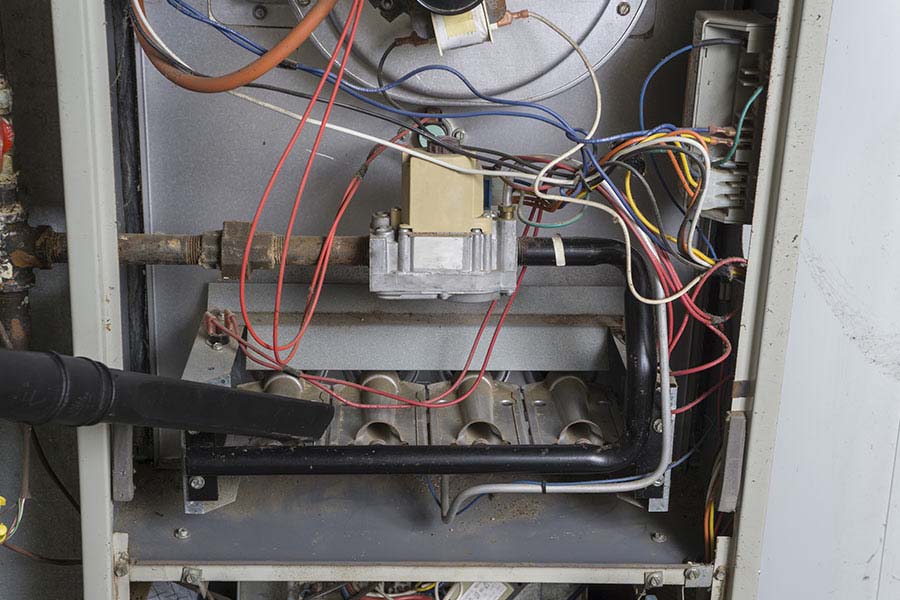
When your furnace starts showing signs of trouble, it can be frustrating, especially during colder months. You might notice inconsistent heating, strange noises, or even a complete breakdown.
These issues often stem from a dirty filter, which restricts airflow and forces your furnace to work harder. Ignoring this can lead to overheating and breakdowns.
Another common problem is a faulty thermostat. If it’s not reading the temperature accurately, your home might end up too warm or too cold.
Additionally, pilot light or ignition issues can prevent your furnace from starting altogether.
Don’t forget about unusual odors, which could signal a gas leak or electrical problem. Recognizing these signs early on can save you from costly repairs.
To ensure peace of mind, consider reliable furnace services from experienced professionals who can quickly address your heating concerns.
If you suspect any of these issues, it’s best to call a professional to diagnose and fix the problem, ensuring your home stays warm and comfortable.
Regular Maintenance to Prevent Breakdowns
To keep your furnace running smoothly and prevent unexpected breakdowns, regular maintenance is essential. Scheduling routine check-ups can help identify potential issues before they escalate, saving you time and money in the long run.
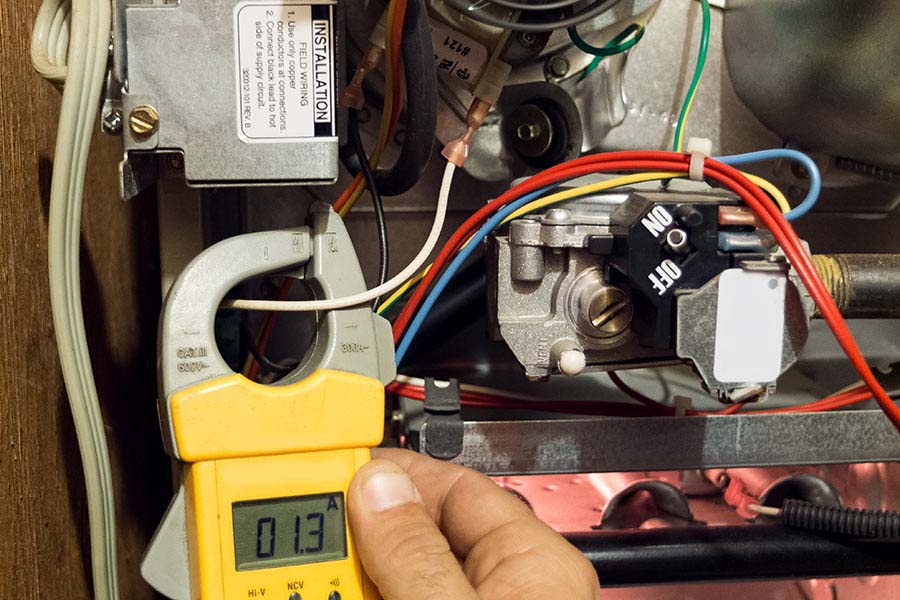
During these visits, a technician will inspect various components, ensuring everything’s in prime condition. You should also pay attention to sounds and smells coming from your furnace. If something seems off, don’t hesitate to call a professional.
Performing regular maintenance not only extends the life of your system but also improves its efficiency, helping you save on energy bills. Additionally, regular servicing ensures safety and comfort for the family, providing peace of mind during the colder months.
Cleaning or Replacing Air Filters
Air filters play an essential role in maintaining your furnace’s efficiency and air quality. When they get clogged with dust and debris, airflow decreases, making your furnace work harder and increasing energy bills.
You should check your filters regularly—ideally, once a month—especially during peak heating seasons. If your filters are dirty, clean or replace them immediately.
Most filters are easy to access and can be swapped out in minutes. If you have a reusable filter, simply clean it according to the manufacturer’s instructions.
For disposable filters, make sure you choose the right MERV rating for your system. Additionally, ensuring your furnace operates efficiently can help reduce energy bills significantly compared to traditional systems.
Checking the Thermostat Settings
After confirming your air filters are clean, it’s time to take a closer look at your thermostat settings.
Make sure the thermostat is set to “heat” mode and that the temperature is set higher than the current room temperature. Sometimes, it’s as simple as adjusting the dial or pressing a few buttons.
Check for any programming settings that might override your preferences. If you’ve got a programmable thermostat, verify it’s set correctly for your schedule. If you’re unsure, resetting it to factory settings can help.
Also, check the batteries if your thermostat isn’t responding. Weak batteries can lead to inaccurate readings and malfunctions.
If you’ve done all this and the furnace still isn’t heating, it might be time to call a professional. A reliable thermostat is essential for maintaining home comfort and ensuring your heating system operates efficiently.
Inspecting Ductwork for Leaks
While checking your furnace settings is essential, inspecting your ductwork for leaks can greatly impact your heating efficiency.
Leaky ducts can waste a significant amount of heated air, leading to higher energy bills and reduced comfort. Here are three steps to help you identify and fix any leaks:
- Visual Inspection: Look for obvious signs of damage, such as disconnected joints or gaps in your ductwork. Pay attention to areas where ducts pass through walls or ceilings.
- Listen for Airflow: Turn on your heating system and listen for whistling or hissing sounds, indicating air escaping from leaks.
- Use a Smoke Pencil: A smoke pencil can help you detect leaks. Move it along the duct seams, and watch for smoke movement, which signals escaping air.
Ensuring Adequate Insulation
Ensuring adequate insulation is essential for maintaining a comfortable home and maximizing your furnace’s efficiency. When your home is well-insulated, it keeps the heat generated by your furnace from escaping, allowing you to enjoy a cozy atmosphere without overworking your heating system.
Check your attic, walls, and floors for any gaps or areas that may need extra insulation. If you notice drafts or cold spots, consider adding insulation materials like fiberglass batts or spray foam. These solutions can greatly reduce heat loss and lower your energy bills.
Don’t forget to inspect your windows and doors, too; weather stripping or caulking can seal leaks and improve overall insulation.
Utilizing Space Heaters for Supplemental Heat
When you’re looking for extra warmth, choosing the right space heater can make a big difference.
It’s crucial to know how to use these heaters safely to prevent any hazards in your home.
Let’s explore some tips to help you maximize their efficiency and keep your space cozy.
Choosing the Right Heater
How can you effectively enhance your home’s warmth during those chilly months? One great option is to choose the right space heater. They provide targeted warmth, perfect for cozying up specific rooms without cranking up your furnace.
Here are three tips for selecting the best heater for your needs:
- Consider the Size: Match the heater’s capacity to your room size; a small heater won’t efficiently warm a large area.
- Look for Energy Efficiency: Opt for models with energy-saving features or ENERGY STAR ratings to keep your bills manageable.
- Safety Features Matter: Choose heaters with automatic shut-off, tip-over protection, and cool-to-touch exteriors to guarantee peace of mind.
Safe Usage Tips
Although space heaters can provide a cozy boost to your home’s warmth, using them safely is essential to prevent accidents.
First, always place your heater on a flat, stable surface, away from flammable materials like curtains or furniture. Never leave it unattended, especially while you sleep.
Make sure to plug it directly into a wall outlet, avoiding extension cords or power strips that can overheat. Regularly check the heater for any signs of wear, and turn it off when you leave the room.
If your heater has a tip-over or overheat protection feature, utilize it. Finally, keep children and pets away from the heater to avoid burns or accidents.
Staying warm shouldn’t come at the cost of safety!
Exploring DIY Repair Options
When your furnace acts up, it’s helpful to know some basic troubleshooting steps before calling in the pros.
You might find common DIY fixes that can save you time and money, but always remember to prioritize safety.
Let’s explore these options so you can tackle minor issues with confidence.
Basic Troubleshooting Steps
Before calling in professionals like LHR Plumbing, Heating & Air, you can tackle some basic troubleshooting steps to potentially resolve minor furnace issues yourself.
Here are three steps you can take:
- Check the Thermostat: Make sure it’s set to “heat” and the temperature is higher than the current room temperature. Replace batteries if it’s not digital.
- Inspect the Air Filter: A clogged filter can restrict airflow. If it looks dirty, replace it with a clean one to improve efficiency.
- Examine the Circuit Breaker: Verify the furnace’s circuit breaker hasn’t tripped. If it has, reset it and see if that solves the problem.
These simple checks might save you a call and help keep your home warm.
Common DIY Fixes
If your furnace is acting up and basic troubleshooting hasn’t done the trick, there are several common DIY fixes you can try before calling in a professional.
First, check the air filter; a clogged filter can restrict airflow, causing your furnace to work harder. Replace it if it’s dirty.
Next, inspect the thermostat. Verify it’s set to “heat” and the temperature is set high enough.
You might also want to reset the circuit breaker if the furnace isn’t turning on.
Additionally, clear any debris around the furnace to promote proper airflow.
Finally, check the pilot light or ignition system; relighting it might solve the issue.
These simple steps can often restore your furnace’s functionality and save you a service call.
Safety Precautions Required
While exploring DIY repair options for your furnace, it’s important to prioritize safety to prevent accidents or injuries.
Here are three key precautions you should take:
- Turn Off Power: Always shut off the power supply to your furnace before starting any repair work. This will prevent electrical shocks and other hazards.
- Use Protective Gear: Wear gloves and goggles to protect yourself from sharp edges, dust, or debris while working on your furnace.
- Ventilation: Make certain your workspace is well-ventilated to avoid inhaling any harmful fumes or gases that may escape during the repair process.
Considering Energy Efficiency Upgrades
As you consider ways to enhance your home’s energy efficiency, upgrading your furnace should be high on your list. An energy-efficient furnace can greatly lower your utility bills while keeping your home cozy during those chilly New Hampshire winters.
Look for models with high AFUE (Annual Fuel Utilization Efficiency) ratings, which indicate better energy usage.
Besides saving money, a modern furnace often operates quietly and requires less maintenance than older models. You might also want to explore options like programmable thermostats, which allow you to control temperatures more effectively and reduce energy waste.
Before making any decisions, evaluate your current heating setup and think about how an upgrade can fit your lifestyle and budget.
Investing in an energy-efficient furnace not only improves comfort but also increases your home’s value.
Take the plunge, and enjoy the benefits of a warmer, more efficient home this winter!
Seeking Professional Help With Financing Options
Upgrading to an energy-efficient furnace not only boosts your home’s comfort but can also come with a hefty price tag.
Fortunately, you don’t have to shoulder the cost alone. Seeking professional help with financing options can make a world of difference.
Here are three ways to explore financing:
- Flexible Payment Plans: Many contractors, like LHR Plumbing, Heating & Air, offer tailored payment plans to fit your budget.
- Low-Interest Financing: Look for financing with low or zero interest rates to minimize your overall costs.
- Government Rebates: Research local and federal rebates for energy-efficient upgrades that can help offset your expenses.
Conclusion
By taking proactive steps to maintain your furnace, you can save money and stay cozy during the chilly months in Amherst, NH. Did you know that regular maintenance can improve your furnace’s efficiency by up to 30%? That means not only a warmer home but also lower energy bills. Whether you tackle small fixes yourself or seek professional help, investing time now can lead to significant savings later. Don’t wait until it’s freezing—ensure your furnace is ready to keep you warm!