When your furnace suddenly breaks down in the middle of winter, it can feel overwhelming. You might notice strange noises or a sudden drop in temperature. Knowing how to respond quickly can make all the difference. From checking your thermostat to understanding when to call a professional, there are essential steps you can take. Let’s explore these must-know tips to guarantee your home stays warm and safe during an emergency furnace situation.
Recognize the Signs of a Malfunctioning Furnace
How can you tell if your furnace is malfunctioning?
First, pay attention to unusual noises like banging or rattling. These sounds often indicate loose components or other mechanical issues.
Next, notice if your home isn’t heating evenly. Cold spots might signal a problem with airflow or the furnace itself.
Also, check for strange odors. A burning smell could mean dust buildup, while a gas odor is a serious concern.
Additionally, if your furnace frequently cycles on and off, it may be struggling to maintain the desired temperature.
Watch for an increase in your energy bills as well; this can indicate inefficiency.
Finally, if the pilot light is yellow instead of blue, there could be a combustion issue. Regular maintenance improves energy efficiency and can help you avoid many of these problems.
Safety First: What to Do Before Calling for Help
Before you call for help, make certain to check for any gas leaks around your furnace.
If you smell gas, turn off the supply immediately and evacuate your home.
Additionally, inspect the power source to guarantee everything’s connected and functioning properly. It’s also important to be aware of common signs you need heater repairs, as this knowledge can help you identify issues more effectively.
Check for Gas Leaks
If you suspect a gas leak in your home, taking immediate action is essential for your safety.
First, turn off the gas supply at your main valve if it’s safe to do so. Avoid using any electrical devices, including light switches, as they could ignite the gas.
Open windows and doors to ventilate the area, and evacuate everyone from your home. It’s vital not to re-enter until professionals have cleared the area.
If you smell gas, call your local gas company or emergency services right away. Don’t try to fix the issue yourself; leave that to the experts.
Safety is paramount, so always trust your instincts and act quickly when it comes to potential gas leaks.
Power Source Inspection
When your furnace stops working, checking the power source is an essential first step. Start by ensuring the thermostat is set correctly and that it’s receiving power.
Next, look for tripped circuit breakers or blown fuses in your electrical panel; resetting them might restore power. If you’re using a gas furnace, verify that the gas supply is on.
Check for any unusual noises or smells that could indicate a problem. If everything seems fine, it might be time to call a professional.
Remember, safety comes first—don’t attempt any repairs you’re unsure about. By performing these checks, you can save time and possibly avoid unnecessary service calls.
If issues persist, reach out to LHR Plumbing, Heating & Air for expert assistance.
Check the Thermostat Settings
Have you checked your thermostat settings? Sometimes, the simplest solutions can save you from a furnace breakdown.
Start by confirming your thermostat is set to “heat” mode. If it’s in “cool” or “off,” your furnace won’t kick on, leaving you in the cold. Next, verify the temperature setting is higher than the current room temperature. If it’s not, your furnace won’t activate.
Look for any programming features; if you have a programmable thermostat, make sure it’s set correctly for your schedule. A reset might be necessary if it’s acting up.
Don’t forget to check the batteries if you have a battery-operated unit; low batteries can lead to inaccurate readings and malfunction.
Lastly, if your thermostat has a digital display, confirm it’s functioning properly. A faulty thermostat can lead to heating issues, so addressing it first can often resolve your furnace problems before calling in the professionals. Additionally, regular routine AC maintenance can help prevent future issues with your heating system.
Inspect the Air Filter
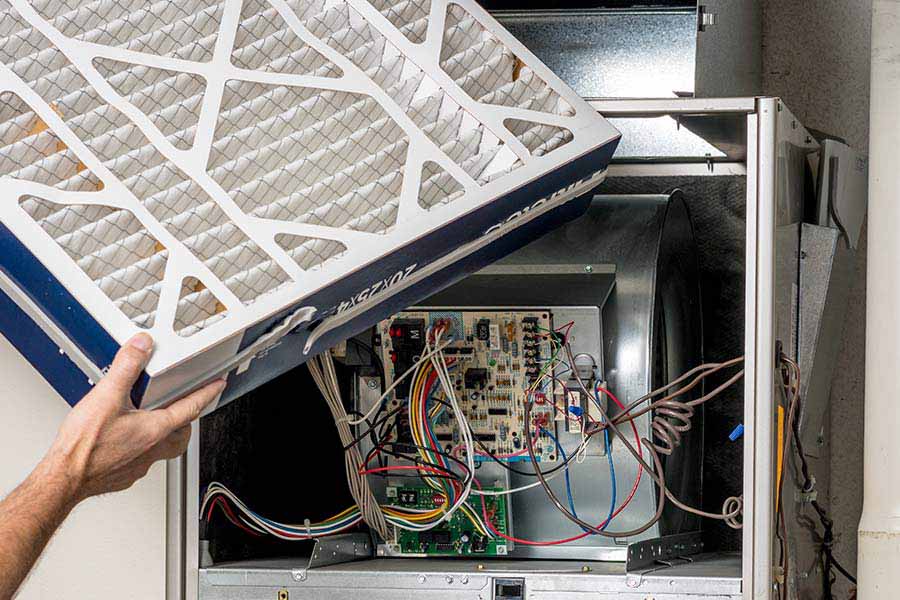
When your furnace isn’t working right, checking the air filter is a smart move.
A dirty or clogged filter can restrict airflow and cause efficiency issues, so make sure you inspect its condition regularly. Additionally, ensuring that your furnace is part of a comprehensive safety inspection can help identify any other potential problems. If it looks worn out, replace it to keep your system running smoothly and efficiently.
Check Filter Condition
Although it might seem minor, checking the condition of your air filter is essential for your furnace’s efficiency and performance.
A clean filter allows proper airflow, helping your furnace run smoothly and effectively. When your filter’s clogged, it forces your furnace to work harder, wasting energy and potentially leading to costly repairs.
Here are a few signs that your air filter needs attention:
- Dust accumulation: If you notice dust buildup around your home, it may indicate a dirty filter.
- Increased energy bills: A sudden spike in your energy costs could signal that your furnace is overworking due to a blocked filter.
- Strange noises: Unusual sounds from your furnace can suggest airflow issues related to a dirty filter.
Stay proactive, and check your filter regularly!
Replace When Necessary
Checking your air filter is just the beginning; knowing when to replace it’s just as important. A clogged or worn-out filter can drastically reduce your furnace’s efficiency, leading to higher energy bills and potential breakdowns.
You should replace your air filter every one to three months, depending on usage and the type of filter you have. If you’ve got pets or allergies, you might need to change it even more frequently.
Before winter hits, inspect your filter to guarantee it’s clean and functional. If it’s dirty or damaged, don’t hesitate to replace it.
A simple filter change can improve air quality and keep your furnace running smoothly, ultimately saving you money and hassle in the long run.
Regular Maintenance Importance
Regular maintenance of your furnace, especially inspecting the air filter, is essential for efficient operation.
A clean air filter guarantees ideal airflow, reduces energy costs, and extends the lifespan of your unit. Neglecting this simple task can lead to bigger issues down the road.
Here’s why you shouldn’t skip it:
- Improved Efficiency: A clean filter allows your furnace to work more efficiently, saving you money on energy bills.
- Better Air Quality: Regularly inspecting your filter helps trap dust and allergens, promoting healthier indoor air.
- Prevent Costly Repairs: Keeping your filter clean can prevent strain on your furnace, reducing the risk of emergency breakdowns.
Make air filter inspections a routine part of your furnace maintenance to keep your home comfortable and safe.
Ensure Power Supply Is Intact
A reliable power supply is essential for your furnace to function properly. If your furnace isn’t turning on, the first thing you should check is the power supply.
Make certain the furnace is plugged in securely. Sometimes, a loose connection can prevent it from receiving power.
Next, inspect your circuit breaker or fuse box; a tripped breaker or blown fuse can easily cause your furnace to malfunction. If you notice any issues here, reset the breaker or replace the fuse.
Additionally, confirm that the thermostat is set to a temperature higher than the current room temperature. If it’s not, your furnace won’t kick on.
Finally, verify that the emergency shut-off switch hasn’t been accidentally turned off. By verifying these power supply elements, you can eliminate simple problems before diving into more complicated repairs.
If everything checks out and your furnace still won’t start, it’s time to call a professional.
Look for Blockages in Vents and Ducts
When your furnace isn’t heating properly, check for blockages in the vents and ducts.
Dust and debris can accumulate over time, restricting airflow and causing issues.
Take a moment to inspect the ventilation pathways and clear any obstructions you find.
Inspect Ventilation Pathways
Inspecting ventilation pathways is essential for maintaining your furnace’s efficiency, especially during an emergency.
Blockages in vents and ducts can drastically reduce airflow, causing your system to work harder and potentially fail.
Here’s what to check:
- External Vents: Make sure nothing’s blocking your external vents, like snow or debris.
- Ductwork: Look for visible signs of damage or disconnections in the duct system.
- Air Filters: Regularly inspect and replace air filters to guarantee peak airflow.
Clear Dust and Debris
To guarantee your furnace operates efficiently, clearing dust and debris from vents and ducts is essential. Over time, these areas can accumulate dirt, pet hair, and other obstructions, leading to reduced airflow and potential overheating.
Start by inspecting your vents; look for any visible blockages that could hinder air circulation. Don’t forget to check your ductwork, as hidden clogs can greatly impact performance. Use a vacuum or a damp cloth to remove dust and debris from accessible areas.
If you encounter stubborn blockages or if the system seems overly dirty, consider calling in professionals like LHR Plumbing, Heating & Air for a thorough cleaning. Keeping your vents and ducts clear guarantees your furnace runs smoothly and efficiently when you need it most.
Understand the Importance of Regular Maintenance
Regular maintenance is essential for keeping your furnace running efficiently and prolonging its lifespan, especially during the colder months.
When you take the time to care for your furnace, you’re not just guaranteeing warmth and comfort; you’re also saving money in the long run.
Here are a few key reasons why regular maintenance is vital:
- Prevent Breakdowns: Regular check-ups can catch small issues before they become major problems, reducing the chance of emergency repairs.
- Boost Efficiency: A well-maintained furnace operates more efficiently, lowering your energy bills.
- Enhance Safety: Routine maintenance helps confirm your system is running safely, reducing the risk of carbon monoxide leaks.
Know When to Seek Professional Help
While it’s great to stay proactive with your furnace maintenance, there are times when seeking professional help becomes necessary. If your furnace is making strange noises, emitting unusual smells, or not heating your home effectively, don’t hesitate to call in the experts.
Ignoring these signs can lead to more significant issues and costly repairs down the road.
Additionally, if you notice a gas leak or your carbon monoxide detector goes off, evacuate your home immediately and contact a professional. These situations can pose serious safety risks.
If you’ve changed filters and reset the thermostat but still face problems, it’s often best to reach out to a certified technician. They’ve the experience and tools to diagnose and resolve issues that you mightn’t be able to handle.
Trust your instincts—if something feels off, it’s wise to get professional assistance to guarantee your furnace operates safely and efficiently.
Emergency Tips for Temporary Heating Solutions
When your furnace fails, it’s important to have some temporary heating solutions on hand while you wait for professional help.
Here are a few strategies to keep your home warm until a technician arrives:
- Space Heaters: Use electric space heaters to heat individual rooms. Make sure to place them away from flammable materials and never leave them unattended.
- Layer Up: Wear extra layers of clothing and use blankets to stay warm. This not only helps you feel cozy but also reduces your heating needs.
- Close Off Unused Rooms: Shut doors to rooms you aren’t using. This helps concentrate the heat in areas where you spend the most time, making your home feel warmer.
While these temporary solutions can provide comfort, remember to contact LHR Plumbing, Heating & Air for prompt and professional furnace repairs.
Take Advantage of Financing Options for Repairs
If your furnace breaks down unexpectedly, you might feel overwhelmed by repair costs, but you don’t have to face it alone.
LHR Plumbing, Heating & Air offers affordable financing options to help ease the financial burden. These plans let you spread out the cost of repairs over time, making it more manageable for your budget.
Instead of putting off necessary repairs, you can get your furnace fixed promptly and comfortably. When you choose financing, you’ll also benefit from our reliable service and high-quality products.
Don’t hesitate to ask about the different financing plans available. Our team will guide you through the process, ensuring you understand your options.

Conclusion
In the chill of an emergency, staying calm is your warmest blanket. By recognizing the signs and taking swift action, you can navigate the storm with confidence. Whether it’s a flick of the thermostat or a call for help, every step you take brings you closer to comfort. Remember, regular maintenance is your shield against future woes. So, embrace these tips, and let your furnace serve you well through the coldest nights in Londonderry.