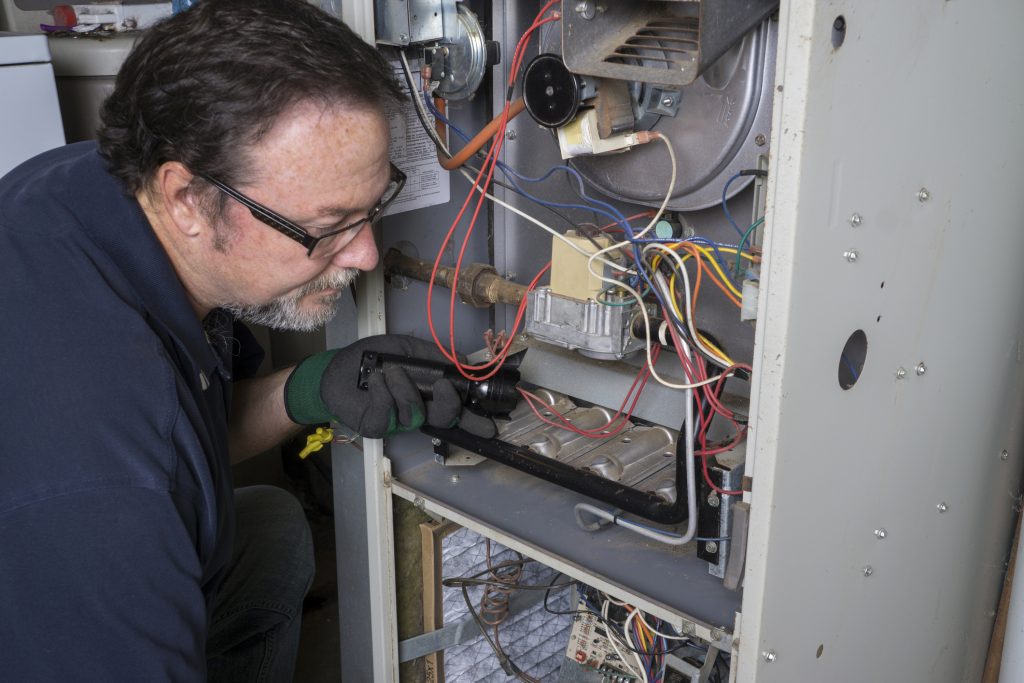
With winter’s chill comes the need to ensure your home remains warm and comfortable, making your furnace a critical component of your household. Deciphering when to tackle furnace issues on your own and when to call professionals to repair your furnace is imperative for maintaining a safe and efficient system. While DIY furnace repair might seem cost-effective and instantly gratifying, it often pales compared to the expertise and assurance that come with professional furnace repair. Evaluating the pros and cons of professional furnace repair vs. DIY repair requires a clear understanding of the complexities and risks involved.
Understanding When to DIY or Call a Pro for Furnace Repair
Deciphering whether an issue with your furnace is a quick fix or a call for professional intervention depends on various factors, including the potential risks and complexity of the problem at hand. Addressing minor maintenance tasks such as filter replacement or cleaning, you might find personal capabilities sufficient. However, when your heat or central heating system exhibits signs of serious malfunction, erratic temperature fluctuations, strange noises, or a complete breakdown, it’s time to seek professional expertise. Safety is paramount; when it comes to more intricate aspects of your furnace’s operation––be it electrical components, water heating elements, or gas connections––the risks often outweigh the benefits of attempting repairs alone.
Identifying Minor Furnace Issues Suitable for DIY
Should your furnace present with signs of sluggish performance, an initial check of the thermostat could reveal simple issues such as drained batteries or incorrect settings, common scenarios that you can address with minimal effort. In cases where the thermostat is not the culprit, and you possess a basic understanding of home systems, you may consider examining your heat pump for any signs of wear or malfunction that could explain your furnace’s deficiencies.
When you detect a minor leak in your furnace’s plumbing, ensure you power down the system first to prevent further damage. If you have confidence in your plumbing skills, you might be able to apply a short-term patch to a leak before a more permanent boiler repair can be organized. However, if your examination does not point to a clear and easy fix, contacting a seasoned heating specialist becomes your safest course of action.
Recognizing Signs That Require Professional Expertise
Attention to your furnace’s interaction with other elements in your home, such as the humidifier and duct system, is essential for maintaining a healthy living environment. If you encounter complications within these interconnected components, especially those intertwined with delicate electrical work, they demand a professional’s deft touch, someone who can ensure that all parts work in concert, balancing humidity, warmth, and airflow throughout the spaces of your home, even in the chill of Canada.
- Evaluating the condition of electrical connections within the furnace system
- Inspecting and repairing components related to humidifiers and ductwork
- Ensuring safety protocols are met, particularly with gas-powered units
Whereas basic procedures such as filter changes might sit comfortably within your wheelhouse, issues that affect your home’s electricity and air conditioning system warrant a higher level of scrutiny. Recognize that a furnace is not an isolated unit but part of an intricate ecosystem, where a malfunction could have cascading effects, requiring the knowledge and equipment that only seasoned professionals possess.
Safety Considerations for DIY vs. Professional Repair
Your safety is non-negotiable, especially when dealing with the components of a furnace, like the flame sensor or fuel system, that demand specific safety protocols and expertise. If you noticed a flickering flame or an unusual sound from the pump, and you live in Ontario or any region with strict repair regulations, consider that your residential maintenance experience may not be sufficient, and contacting a certified technician is the prudent decision.
Embarking on furnace repairs without the necessary skills adds layers of risk to your safety and the well-being of your household. Gauge your past experiences carefully; if they don’t include a substantial background in handling complex HVAC systems, it’s time to extend the work to a professional with an excellent customer satisfaction track record, mitigating risks and ensuring continued comfort and safety in your home.
Benefits of Professional Furnace Repair Services
When your furnace fails, the urgency to restore warmth to your home could tempt you to tackle repairs alone. Careful consideration should guide you toward professional services that offer access to specialized tools and equipment tailor-made to diagnose and repair complex heating problems. Professionals come equipped not only to address immediate issues but also to perform comprehensive checks that prevent future malfunctions. With a professional warranty and safety guarantees protect you from the repercussions of inadequate repairs. Moreover, for those unforeseen predicaments, an emergency service delivers swift, adept solutions that drastically minimize the duration of discomfort in your home. This expertise often outweighs the initial cost savings of a DIY attempt. Remember that comprehensive warranty coverage is a safety net; DIY efforts cannot match.
Access to Specialized Tools and Equipment
When your pilot light refuses to stay lit, and you’re in the depths of a Toronto winter, professional technicians come prepared with the precise diagnostic tools to swiftly pinpoint and solve such nuanced issues. They have advanced inspection equipment at their disposal that can detect even the most obscure faults, ensuring your heating system’s functionality is thoroughly assessed and adeptly restored. A furnace repair specialist brings more than just expertise to your doorstep; they also bring specialized detectors designed to measure carbon monoxide levels, protecting your family from invisible threats. Regular maintenance, including carbon monoxide checks, is critical, and professionals have the tools to ensure any hazardous emissions are identified and addressed, nullifying potential dangers in your home.
Warranty and Safety Assurance for Repairs
Choosing professional furnace repair ushers in the assurance that any replacements and fixes fall under warranty, providing you with peace of mind. With reliable customer service, you can address future issues, such as unusual noise or problems with the air filter, without incurring additional costs, knowing your repair is covered. Professionals strictly adhere to safety standards, particularly when handling the combustion process and inspecting the flue. This ensures not only the proper function of your heating system but also safeguards your home against potential hazards, guaranteeing a secure and warm environment for your family.
Troubleshooting the Most Frequent Furnace Malfunctions
When your furnace falters, understanding the most prevalent issues can prevent unnecessary fees and maintain your system’s health. A malfunctioning thermostat, an extinguished pilot light, or a faulty valve could be at the root of the problem. Each is a critical component that can disrupt your heating if not functioning correctly, potentially shortening the life expectancy of your furnace.
A broken heat exchanger is a particularly perilous problem. It can lead to monoxide leaks, threatening the health and safety of your home’s inhabitants. Prioritize addressing this issue immediately; if you suspect a carbon monoxide release, cease troubleshooting and contact a professional repair service to ensure a protected environment.
- Address a malfunctioning thermostat as it directly affects furnace operation.
- Inspect the pilot light and ignition system for issues that prevent the furnace from firing up.
- Check the valves for proper functioning, as a defective valve can hinder gas or airflow.
- Stay vigilant for any indicators of carbon monoxide leaks to protect your health and home.
Conclusion
Evaluating the severity of your furnace’s issues is vital; simple tasks like changing filters may be manageable, but complex problems require professional expertise. Ultimately, safety concerns, especially with systems involving gas or electrical connections, take precedence and justify the cost of a technician’s specialized skills and tools. While DIY repairs can be tempting for immediate savings, the long-term benefits and warranties professionals offer protect your home’s comfort and efficiency. Trusting experienced technicians with your furnace repairs ensures prompt, effective solutions and peace of mind, outweighing the potential risks and costs of handling serious malfunctions on your own.
Frequently Asked Questions
When should I consider DIY furnace repair?
You might contemplate DIY furnace repair if the issue is minor, such as replacing a filter or reigniting a pilot light. Should you possess experience with HVAC systems and the repair does not involve gas or electricity, DIY could be a viable option.
What are the advantages of professional furnace services?
Professional furnace services ensure that heating systems operate at peak efficiency, leading to potential cost savings on energy bills. They also mitigate the risk of breakdowns, which can extend the furnace’s lifespan and maintain safe operation throughout its use.
Is DIY furnace repair more cost-effective than professional service?
DIY furnace repair may initially seem less expensive than hiring professionals; however, when considering the potential risks and complexities involved, the cost-effectiveness becomes less clear. Accurate diagnostics, specialized tools, and expertise in safety codes usually necessitate professional intervention to ensure long-term functionality and safety.
What are common issues with furnaces and their fixes?
Common issues with furnaces include a malfunctioning thermostat, a continuously running blower motor, and a furnace that fails to heat. Each of these problems has distinctive fixes, such as replacing the thermostat, resetting the motor, or cleaning the heat exchanger.
- A malfunctioning thermostat often requires a straightforward replacement or recalibration.
- A blower motor that runs incessantly might need a reset or repairs to the limit switch.
- For a furnace failing to produce heat, cleaning the heat exchanger or replacing the ignition component can often resolve the issue.
Regular maintenance is also essential to prevent these issues, including filter replacements and system inspections by a professional.