



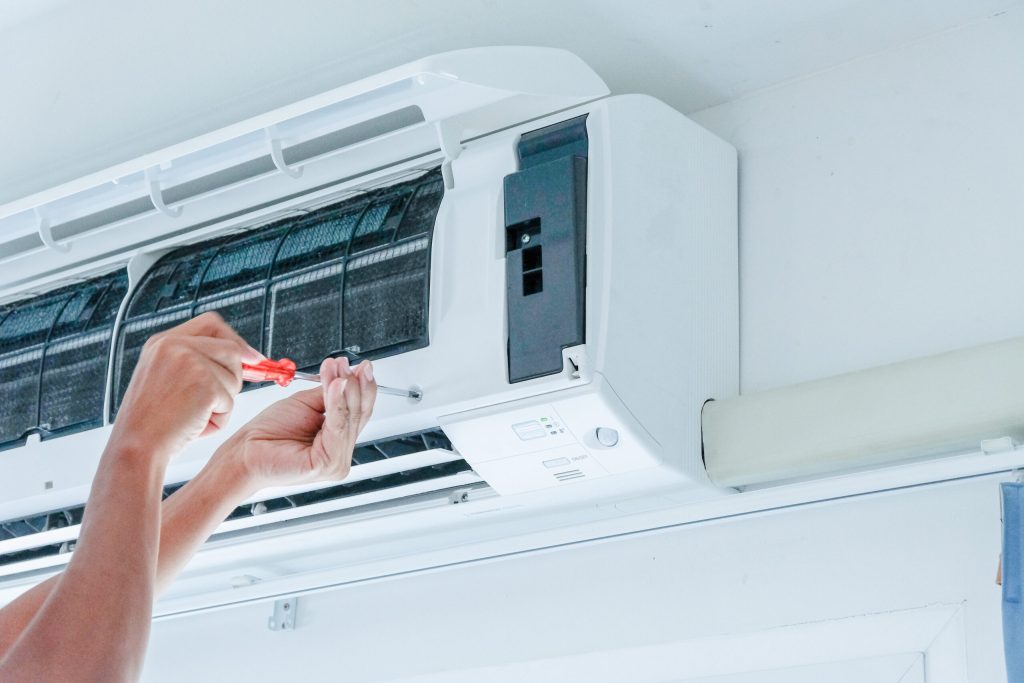
When your air conditioner breaks down, you’re often left scratching your head at the jargon technicians throw around. Terms like air handler, compressor, and evaporator coil might sound foreign, but knowing them can make a difference. Understanding what refrigerant types like R-22 and R-410A do, or how ductwork and filters influence your system, empowers you to make smarter decisions. Imagine being able to pinpoint issues with your HVAC system before they escalate. Curious about how these components work together to keep you cool? Let’s break it down step by step.
Air Handler
An air handler, often called an AHU, is an essential component in your HVAC system that is responsible for circulating and regulating air. To guarantee peak performance, regular air handler maintenance is vital. This involves cleaning filters, checking for leaks, and inspecting the blower motor. There are various air handler types, such as single-speed, multi-speed, and variable-speed units, each offering different levels of control and efficiency. By understanding these types, you can choose the best one for your needs. Enhancing air handler efficiency can significantly improve your system’s overall performance, reducing energy consumption and enhancing indoor air quality.
Compressor
The compressor is a critical component in your HVAC system and is responsible for pressurizing refrigerant to facilitate heat exchange. It’s fundamentally the heart of your air conditioning unit, with several compressor types, including reciprocating, scroll, and rotary, each with efficiency and durability characteristics. Regular compressor maintenance is vital to prevent compressor failure, which can lead to costly repairs or replacements. Maintenance tasks include checking refrigerant levels, inspecting electrical connections, and guaranteeing proper lubrication. Compressor failure often results from neglect, electrical issues, or refrigerant leaks.
Condenser
Situated outside your home or building, the condenser is pivotal in dissipating the refrigerant’s heat, guaranteeing efficient cooling. To keep it running smoothly, follow essential condenser maintenance tips. Regularly inspect the unit for debris and remove any leaves, dirt, or obstructions. Effective condenser cleaning techniques include gently washing the fins with a garden hose and using a soft brush to remove stubborn grime. Be mindful of condenser replacement signs, such as unusual noises, frequent repairs, or a significant drop in cooling efficiency. Address these issues promptly to maintain peak performance. Caring for your condenser guarantees your HVAC system serves others effectively and keeps your environment comfortable.
Evaporator Coil
The evaporator coil is inside the air handler or attached to the furnace, absorbing heat from indoor air to facilitate cooling. Proper evaporator coil maintenance is essential to guarantee efficient system performance. Regular evaporator coil cleaning prevents the buildup of dust and debris, which can obstruct airflow and reduce cooling efficiency. If you notice a decline in your AC’s performance, it may be time for an evaporator coil replacement. Signs of a failing coil include inadequate cooling, frequent cycling, and frozen coils.
Refrigerant
Understanding the role of refrigerant in your HVAC system is critical to maintaining effective cooling performance. Refrigerant is a vital substance that absorbs and releases heat to cool your home. You’ll encounter various refrigerant types, such as R-22 and R-410A, each with specific properties and environmental impacts. Proper refrigerant recovery is vital during repairs to prevent harmful emissions and guarantee compliance with regulations. Be vigilant about refrigerant leaks, which can reduce efficiency and harm the environment. If you suspect a leak, prompt professional service is necessary to locate and repair it.
Thermostat
The thermostat serves as the command center of your HVAC system, allowing you to control the temperature settings with precision. Accurate thermostat calibration is essential for maintaining a comfortable environment. A miscalibrated thermostat can lead to inefficient cooling or heating, causing discomfort and higher energy bills. Upgrading to a smart thermostat can enhance your system’s efficiency and convenience, providing remote control options and learning your preferences to optimize settings automatically.
Ductwork
While the thermostat allows you to control your HVAC system, ductwork significantly distributes conditioned air throughout your space efficiently. Proper ductwork installation guarantees that air flows seamlessly from the HVAC unit to various rooms. Investing in quality ductwork insulation is vital to minimize energy loss and maintain consistent temperatures. Regular ductwork maintenance, such as cleaning and sealing leaks, can prevent airflow obstructions and improve system efficiency. By prioritizing these aspects, you confirm that your HVAC system runs effectively, providing comfort to those you serve.
Blower Motor
At the heart of your HVAC system, the blower motor tirelessly circulates air through your ductwork, ensuring every room maintains a comfortable temperature. Blower motor types include single-speed, multi-speed, and variable-speed motors. Each type offers different levels of control and energy efficiency. Regular blower motor maintenance is vital to keep your system running smoothly. This involves cleaning the motor and checking for worn-out bearings or loose connections. Ignoring maintenance can lead to inefficiencies or failures.
SEER Rating
The SEER (Seasonal Energy Efficiency Ratio) rating measures the efficiency of your air conditioning system by calculating the cooling output divided by the total electric energy input over a typical cooling season. A higher SEER rating means your AC is more energy-efficient, saving you money on utility bills and reducing your environmental impact. SEER benefits include improved energy efficiency, lower operational costs, and enhanced cooling capacity. When selecting an AC unit, aim for a SEER rating of at least 14 or higher. This guarantees peak performance and longevity. Understanding SEER ratings helps you make informed decisions, ensuring your home stays cool and comfortable while you serve others with a mindful approach to energy consumption.
HVAC Filter
Regularly replacing the HVAC filter is essential for ensuring ideal air quality and system efficiency when maintaining an HVAC system. Filter maintenance involves inspecting and replacing filters to prevent dust, pollen, and other contaminants from circulating through your home. There are various filter types, including fiberglass, pleated, and HEPA filters, each designed for different levels of filtration. Neglecting filter replacement can lead to clogged filters, reducing airflow and forcing the system to work harder, resulting in higher energy bills and potential system failure.
Expansion Valve
An expansion valve regulates refrigerant flow into the evaporator, guaranteeing efficient cooling and optimal system performance. Throttling the refrigerant lowers pressure and temperature, enabling ideal heat absorption. You’ll find various expansion valve types, such as thermostatic expansion valves (TXVs), electronic expansion valves (EEVs), and capillary tubes. Each type has unique advantages that are suited to different HVAC configurations.
Zoning System
To further optimize your HVAC system’s efficiency and comfort, consider implementing a zoning system to control the temperature in different areas of your home independently. Zoning benefits include tailored comfort, energy savings, and extended HVAC system life. Zoning controls make adjusting temperatures in specific areas easy, ensuring each zone meets its unique needs.
Here’s why zoning installation is worth considering:
- Energy Efficiency: Heat or cool only the areas in use.
- Personalized Comfort: Different preferences for different rooms.
- Reduced Wear and Tear: Less strain on your system.
- Cost Savings: Lower energy bills with targeted heating/cooling.
- Enhanced Control: Advanced thermostats for precise management.
Conclusion
By understanding key HVAC terms like air handler, compressor, and refrigerant, you’re better equipped to communicate with technicians and make informed decisions about your system. Recognizing components such as the evaporator coil and expansion valve and knowing the importance of filters and return vents guarantees you can identify issues affecting performance and air quality. Embrace this knowledge to maintain an efficient and effective HVAC system in your home.
Frequently Asked Questions
What Are Common Signs Indicating the Need for an HVAC System Tune-Up?
You should schedule an HVAC system tune-up if you notice reduced airflow, unusual noises, or increased humidity. These signs indicate your system isn’t operating efficiently, and a professional tune-up can guarantee peak performance and comfort for those you serve.
How Often Should an HVAC System Be Professionally Inspected?
You should schedule HVAC maintenance frequency at least once a year. Regular inspection benefits include improved efficiency and longevity. Ascertain a professional technician with proper qualifications performs the inspection to guarantee peak performance and safety.
What Is the Average Lifespan of a Central Air Conditioning Unit?
The average lifespan of a central air conditioning unit is 15-20 years. Regular maintenance impacts central unit longevity considerably, reducing replacement costs. By prioritizing upkeep, you guarantee efficient performance and extend your system’s life, serving others effectively.
Are Smart Thermostats Compatible With All HVAC Systems?
Smart thermostats offer advanced features but aren’t compatible with all HVAC systems. Check your system’s compatibility before purchasing. Installation considerations include wiring requirements and whether your HVAC supports the smart thermostat’s advanced features for peak performance.
How Can I Improve the Energy Efficiency of My HVAC System?
To improve your HVAC system’s energy efficiency, consider these energy-saving tips: upgrade your system to a more efficient model, enhance your home’s insulation to reduce heat loss, and schedule regular maintenance to guarantee peak performance.