Replacing your AC can feel like starting on an epic journey, fraught with potential pitfalls and unexpected twists. You might think it’s just about swapping out one unit for another, but there’s much more to ponder if you want to guarantee a seamless changeover. From evaluating your current system to setting a realistic budget, each step is essential in avoiding future headaches. Curious about what else you need to know to make this process as smooth as possible? Let’s explore the vital steps every homeowner should take before their AC replacement.
Evaluate Your Current System
Before considering a new AC unit, assess your current system’s efficiency, age, and overall performance. Start by checking the Seasonal Energy Efficiency Ratio (SEER) rating. If it’s below 13, your system is inefficient compared to modern standards. An older system, typically over 10-15 years old, often struggles to maintain performance and reliability. Listen for unusual noises or inconsistent cooling, which indicate wear and potential failure.
Inspect your energy bills from the past few months. A sudden spike often signals declining efficiency. Also, consider the frequency and cost of repairs. Evaluate the ductwork for leaks or insufficient insulation, as these can dramatically affect performance. Use a duct leakage tester to measure the extent of any issues. Confirm your thermostat is functioning correctly; a programmable or smart thermostat can improve efficiency. Take note of the indoor air quality. Excessive dust, humidity issues, or inconsistent temperatures can indicate the system’s failure to perform adequately.
Determine Your Cooling Needs
Evaluating your cooling needs involves calculating the square footage of each room and considering factors like ceiling height, insulation quality, and local climate conditions. This initial evaluation helps you determine your new AC unit’s appropriate BTU (British Thermal Unit) rating, guaranteeing peak efficiency and comfort.
While evaluating your cooling needs, take into account:
- Room Size: Larger rooms require more cooling power. Measure each room’s dimensions to calculate the total square footage.
- Ceiling Height: Higher ceilings mean more air volume to cool, impacting your system’s efficiency.
- Insulation Quality: Poor insulation leads to energy loss. Examine your home’s insulation to determine if upgrades are needed.
- Window Placement and Type: Windows can be a source of heat gain. Note the number, type, and orientation of your windows.
- Local Climate: Regions with hotter climates will necessitate a higher-capacity AC unit compared to milder areas.
Research Different AC Units
When researching different AC units, you’ll encounter a variety of options, such as central air systems, ductless mini-splits, and window units, each with its own set of advantages and limitations. Central air systems are ideal for cooling large homes uniformly and efficiently, but they require existing ductwork or the installation of new ducts, which can be costly. Ductless mini-splits offer flexibility, as they can cool individual rooms without ductwork, making them perfect for homes with no existing ducts or targeted cooling needs. Window units are the most affordable option and are easy to install, but they are best suited for smaller spaces and can be less energy-efficient.
Consider the Seasonal Energy Efficiency Ratio (SEER) rating when evaluating units. A higher SEER rating means better energy efficiency, lower utility bills, and reduced environmental impact. Additionally, the unit’s cooling capacity, measured in British Thermal Units (BTUs), should be considered. You must match the BTU rating to your space to guarantee effective cooling. Finally, don’t forget to check for features like programmable thermostats, variable fan speeds, and smart capabilities, which can provide enhanced comfort and convenience.
Set a Budget
After exploring the various AC unit options and their features, it’s time to set a budget that aligns with your cooling needs and financial constraints. Establishing a budget helps you make informed decisions and guarantees you don’t overspend. Consider the unit’s initial cost, but don’t forget to consider other expenses like installation, maintenance, and energy efficiency.
Here are a few key points to guide your budgeting process:
- Initial Purchase Price: This is the upfront cost of the AC unit. High-efficiency units generally cost more but can offer long-term savings.
- Installation Costs: Professional installation is essential for ideal performance. Get multiple quotes to find a fair price.
- Energy Efficiency: Look for units with a high SEER (Seasonal Energy Efficiency Ratio) rating. They might be pricier initially, but they can lower your energy bills.
- Maintenance and Repairs: Consider future maintenance costs. Some units come with extended warranties that can offset long-term service expenses.
- Rebates and Incentives: Check for any available rebates or tax incentives for energy-efficient models, which can reduce your overall cost. \
Choose a Reliable Contractor
To guarantee your new AC unit is installed correctly, you’ll need to hire a reliable contractor with a proven track record in HVAC systems. Start by seeking recommendations from friends, family, or neighbors who’ve had positive experiences. Additionally, online reviews like Yelp and Google can provide insights into contractors’ reliability and workmanship.
Ensure your chosen contractor holds proper licensing and certifications, such as NATE (North American Technician Excellence). These credentials confirm their expertise and adherence to industry standards. Don’t hesitate to ask for proof of insurance, which protects you from liability in case of accidents during installation.
Schedule a Home Evaluation
Before installing your new AC unit, schedule a thorough home evaluation to guarantee the best system performance and energy efficiency. This essential step involves a licensed HVAC technician examining various factors in your home. The review confirms your new unit is the right size, type, and efficiency level for your specific needs, preventing issues like inadequate cooling or high energy bills.
During the evaluation, the technician will:
- Measure Square Footage: Accurate measurements are vital to determine the appropriate system size for your home.
- Inspect Ductwork: Leaky or poorly insulated ducts can compromise your new AC’s efficiency and performance.
- Evaluate Insulation: Proper insulation in your attic and walls helps maintain consistent temperatures, reducing strain on the AC unit.
- Check Electrical Systems: Verifying your electrical system can handle the new unit prevents potential safety hazards.
- Examine Ventilation: Proper airflow is fundamental for system efficiency and indoor air quality.
Prepare Your Home for Installation
Once the home evaluation is complete, verify your home is ready for installation by clearing the area around the existing unit and securing a workspace for the technicians. Remove any obstacles, furniture, or debris near the indoor and outdoor units. This guarantees that technicians can easily access all necessary components without any hindrance.
Next, secure a dedicated workspace. Technicians will need room to lay out tools and new equipment. Clear an area close to the installation site for this purpose. Consider using drop cloths to protect your floors and any nearby furniture from potential dust or debris.
Understand Maintenance Requirements
Understanding maintenance requirements is vital to guarantee your new AC unit operates efficiently and has a long lifespan. Regular upkeep guarantees peak performance and helps you serve your household more effectively by offering consistent comfort. Here are some significant maintenance tasks you should follow:
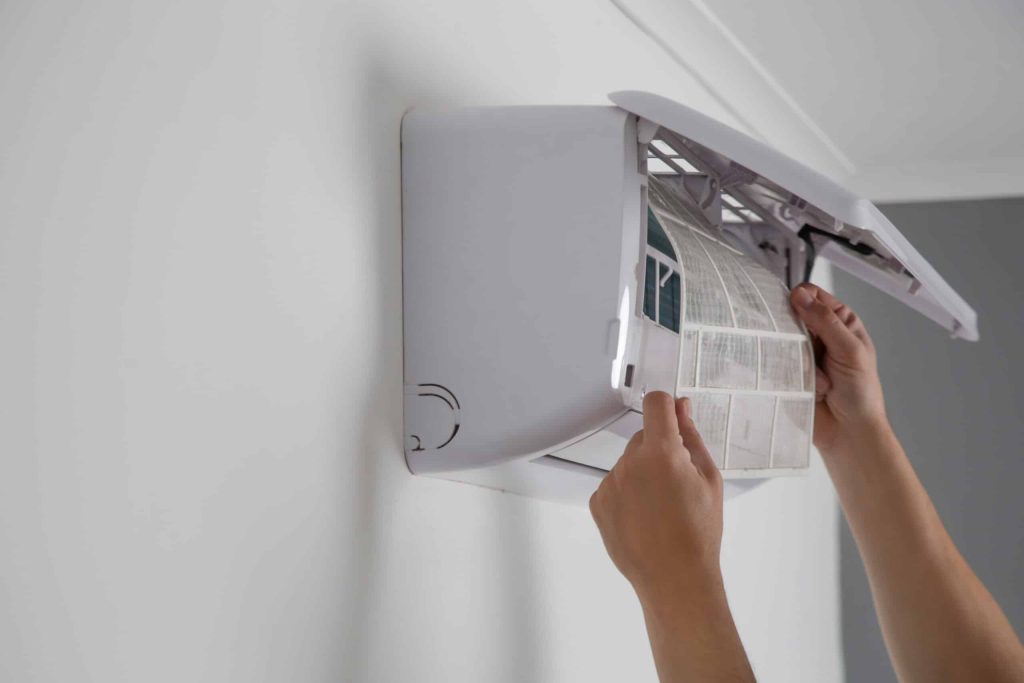
- Change Air Filters: Depending on usage and environmental factors, replace the air filters every 1-3 months to maintain airflow and indoor air quality.
- Inspect and Clean Coils: Both evaporator and condenser coils collect dirt over time. Clean these components at least once a year to prevent reduced cooling capacity and increased energy consumption.
- Check Refrigerant Levels: Low refrigerant can lead to inadequate cooling and potential compressor damage. Verify the refrigerant levels are within the manufacturer’s specified range.
- Clean the Condensate Drain: A clogged drain can cause water damage and affect humidity levels. Regularly inspect and clean the drain to prevent blockages.
- Schedule Professional Maintenance: Annual or bi-annual maintenance checks by a certified HVAC technician can catch and fix issues before they become significant problems.
Conclusion
Think of your AC replacement journey as a marathon, not a sprint; success depends on preparation. You’re setting the pace by evaluating your current system, determining your cooling needs, and researching units. Establish a budget, select a reliable contractor, and schedule a home evaluation to stay on track. Finally, prepping your home and understanding maintenance guarantees you cross the finish line smoothly. These steps will prepare you for a cool, efficient home.
Frequently Asked Questions
How Long Does the AC Replacement Process Usually Take?
A typical AC replacement takes 4-8 hours. System complexity, ductwork changes, and unit location can affect this. Scheduling a professional guarantees minimal downtime and peak performance for your clients.
What Should I Do With My Old AC Unit?
When dealing with your old AC unit, don’t just discard it; recycle it! Contact a certified HVAC technician for proper refrigerant removal. Many local recycling centers accept units, ensuring safe disposal and environmental responsibility.
Can I Finance My New AC System?
Yes, you can finance your new AC system. Many HVAC companies offer financing options, including low-interest loans and flexible payment plans. Check with your installer for terms and conditions that best suit your financial situation.
How Can I Maximize Energy Efficiency After Installation?
To maximize energy efficiency after installation, regularly clean or replace your air filters, schedule annual professional maintenance, seal your ducts, and consider installing a programmable thermostat. These steps guarantee peak performance and lower energy costs.