When it comes to your trusty furnace, you might think “out of sight, out of mind” is the best policy. But did you know that by ignoring regular tune-ups, you’re playing with fire, quite literally? You may unknowingly invite hidden perils such as carbon monoxide leaks, unexpected breakdowns, and even fire hazards. A neglected furnace can hit you where it hurts most – your wallet, with skyrocketing energy bills and costly repairs. Still think it’s not worth your time to keep your furnace in check? Let’s explore further and see if we can’t change your mind.
The Crucial Role of Furnace Tune-Ups
While many homeowners often overlook furnace tune-ups, it’s vital to understand that they play a pivotal role in ensuring your home’s heating system operates efficiently and safely. These tune-ups aren’t just routine maintenance tasks but are crucial in securing your comfort during harsh winter. By focusing on furnace efficiency and seasonal preparation, you’re taking steps toward promoting a warm and inviting environment in your home.
A proper tune-up is an extensive process that involves cleaning, inspecting, and adjusting the furnace components. It enhances furnace efficiency and prolongs the lifespan of your heating system, offering a better return on your investment. Ignoring this can lead to inefficient heating and higher energy costs in the long run.
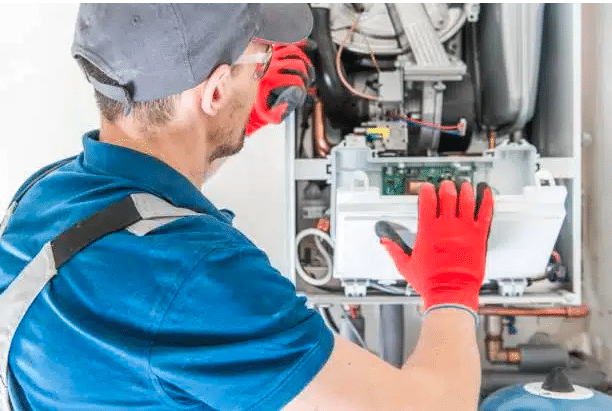
But remember, a successful tune-up requires technician expertise. A skilled technician will meticulously inspect your furnace for any signs of wear and tear, ensuring that minor issues are addressed before they escalate into more significant, more costly problems. They’ll also help you prepare for the upcoming season by checking the furnace’s safety controls and testing its operation.
Understanding Carbon Monoxide Poisoning
Often, homeowners aren’t fully aware of the dangers of carbon monoxide poisoning, a severe risk associated with poorly maintained or malfunctioning furnaces. This colorless, odorless gas can seep into their homes without them even realizing it. Furnaces are one of the common sources of carbon monoxide, and if they’re not properly checked and tuned up, they can leak this deadly gas.
Symptom awareness is essential to protect yourself and your loved ones. Early signs of exposure include headaches, dizziness, weakness, upset stomach, vomiting, chest pain, and confusion. If these symptoms are not addressed promptly, they can lead to loss of consciousness and even death.
Prevention strategies start with regular furnace maintenance. Make sure you have a professional inspect and service your furnace annually. Installing carbon monoxide detectors throughout your home is another vital step. These devices can alert you to the presence of this gas before it reaches dangerous levels.
Fire Hazards From Neglected Furnaces
Beyond the risk of carbon monoxide poisoning, neglected furnaces can pose a significant fire hazard in your home. Allowing dust and debris to build up in your furnace system increases the chance of these materials igniting, leading to potential house fires. Regular maintenance scheduling is not just about extending the life of your furnace; it’s also an essential part of your home’s fire safety plan.
When a furnace lacks proper care, its components can overheat. An overheated part can ignite nearby flammable materials, sparking a fire that can spread quickly. This is an alarming scenario, but one that’s preventable with the right precautions. Regular inspections and cleanings are critical parts of emergency preparedness, reducing the risk of such incidents.
Your commitment to serving others starts at home. By prioritizing your furnace’s maintenance, you’re protecting your own household and contributing to your community’s safety. A well-maintained furnace means less risk of fire emergencies that can impact not just you but also your neighbors. Let’s all do our part to protect our homes from fire hazards. Remember, prevention is always better than cure.
Impact on Indoor Air Quality
Did you know a poorly maintained furnace can impact your home’s indoor air quality? This is an often overlooked consequence of neglecting regular furnace tune-ups. When your heating system doesn’t function properly, it can trigger a host of problems that directly affect the air you breathe indoors.
Poor indoor air quality due to a malfunctioning furnace can lead to:
- Increased allergies indoors: A dirty furnace can distribute allergens such as dust mites, pollen, and pet dander around your house.
- Dust accumulation: When your furnace isn’t performing effectively, it can circulate more dust particles, leading to increased dust accumulation on surfaces.
- Altered humidity levels: A poorly functioning furnace can cause inconsistent humidity, leading to dry or overly humid indoor air.
- Unpleasant odors: When not cleaned regularly, furnaces can emit unpleasant odors that permeate your home.
- Carbon monoxide leakage: This is a severe health hazard that can occur if your furnace isn’t properly maintained and inspected.
Don’t let your furnace become a silent threat to your indoor air quality. Regular tune-ups can prevent these issues and guarantee that you and your loved ones breathe easily at home.
Efficiency Loss and Increased Costs
Neglecting regular furnace tune-ups not only compromises indoor air quality but can also lead to significant efficiency loss, hiking up energy costs. When your furnace isn’t running at its peak level, its energy consumption increases. You may be turning up the heat to compensate for the lack of warmth, which can result in higher utility bills.
Your furnace’s seasonal efficiency, or the measure of its operational effectiveness throughout the various seasons, can also be negatively impacted without regular tune-ups. A well-maintained furnace operates at a higher seasonal efficiency, keeping your home comfortable year-round without drastically increasing energy usage.
The Lifespan of Your Furnace
Regularly scheduled furnace tune-ups can significantly extend the lifespan of your heating system, maximizing your investment. Your furnace’s lifespan depends on various factors, and understanding these can help you maintain it effectively.
Here are the critical furnace lifespan factors:
- The quality of the initial installation
- The make and model of the furnace
- Regular maintenance and tune-ups
- The usage patterns, including seasonal performance variations
- The quality of the air in your home
These factors directly influence how long your furnace will last and how well it will perform seasonally. Over time, however, even a well-maintained furnace will begin to show signs of needing replacement. These may include frequent repairs, increased energy bills, or inconsistent heating levels.
Unexpected Breakdowns and Repairs
Despite meticulous maintenance, unexpected breakdowns and repairs can still occur, posing a significant challenge to your home’s comfort and peace of mind. Even a furnace with a long lifespan isn’t immune to such problems. The wear and tear of everyday use can lead to sudden issues, leaving you in the cold at the most inconvenient moments.
These unexpected breakdowns often necessitate emergency repairs, leading to exorbitant expenses. You’re left with unforeseen costs that can dent your budget. Furthermore, these repairs might not always guarantee a solution, especially if the breakdown is due to a significant fault, potentially shortening your furnace’s lifespan.
The Importance of Regular Maintenance
While unexpected breakdowns can be a hassle, it’s crucial to understand that regular maintenance plays a pivotal role in preventing such issues and guaranteeing your furnace operates efficiently. As a homeowner, it’s your responsibility to adhere to the recommended maintenance schedules. Here’s why:
- Furnace Efficiency: Regularly serviced furnaces perform at peak efficiency, saving energy costs.
- Longevity: Routine maintenance can extend the lifespan of your furnace, saving you from costly replacements.
- Safety: Regular check-ups can identify potential safety hazards like carbon monoxide leaks.
- Comfort: Regular maintenance guarantees consistent heat output, ensuring a comfortable indoor environment.
- Peace of Mind: Knowing your furnace is in good shape reduces the worry of unexpected breakdowns.
Conclusion
Don’t ignore the importance of regular furnace tune-ups. Not only can they prevent a 90% increased risk of carbon monoxide poisoning, but they also avert potential fire hazards and improve air quality. You’ll save on energy bills, avoid costly repairs, and extend your furnace’s lifespan. Take action now. Guarantee your home’s safety, comfort, and efficiency by scheduling your furnace maintenance today. After all, prevention is always better and often cheaper than a cure.
Frequently Asked Questions
What Are Some Common Signs That My Furnace Needs a Tune-Up?
If you hear unusual furnace noises, experience uneven heating in your home, or notice increased energy bills, your furnace likely needs a tune-up. Don’t ignore these signs; prompt action can prevent serious issues.
Are There Specific Brands or Types of Furnaces That Require More Frequent Tune-Ups?
Furnace brand differences can significantly impact maintenance frequency. Some brands, especially those with lower efficiency ratings, might need tune-ups more often. Understanding your furnace’s specific needs is essential.
How Does Neglecting Furnace Tune-Ups Affect My Home Energy Consumption?
Neglecting furnace tune-ups can drastically reduce your home’s energy efficiency. This neglect not only costs you more in energy bills but also impacts the long-term performance of your furnace, leading to potentially costly repairs.
What Are the Potential Health Risks of a Malfunctioning Furnace?
Like an invisible snake, a malfunctioning furnace can release carbon monoxide, a silent killer. It worsens indoor air quality, potentially causing respiratory issues. Don’t let neglect put you at risk. Prioritize regular furnace tune-ups.