Imagine your plumbing system as a network of veins and a stubborn clog as an unwelcome blockage disrupting the flow. Hydro Jetting is a powerful solution, utilizing high-pressure water streams to clear away debris and build-up. You’ll find this method not only removes blockages completely but also prevents future clogs, enhancing the efficiency of your plumbing. Plus, it’s environmentally friendly and safe for all types of pipes. Curious about how this could lower your water bills and reduce repair costs? Let’s explore the top benefits of hydro jetting together.
Complete Removal of Blockages
Hydro Jetting effectively removes even the most stubborn blockages by using high-pressure water streams to clear the entire diameter of the pipe. When you need to guarantee every inch of the pipe is free from debris, hydro jetting is your go-to method. It operates at pressures up to 4,000 PSI, which can dislodge and wash away accumulated grease, tree roots, and mineral deposits. Unlike traditional snaking, which might only punch a hole through the clog, hydro jetting cleans the pipe walls thoroughly, preventing future build-ups.
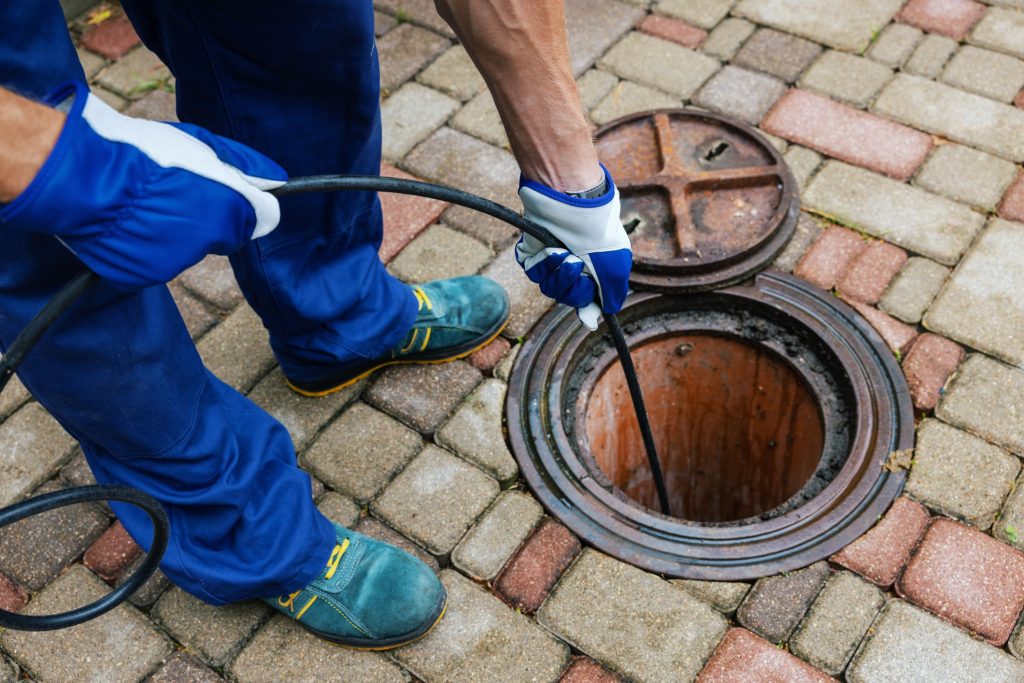
Hydro Jetting is particularly useful for commercial kitchens and older residential pipes, where grime and sediment can be more problematic. To perform hydro jetting, insert a specialized nozzle into the pipe, which directs powerful water jets in multiple directions. This guarantees thorough cleaning and removes even the toughest clogs that other methods might miss.
Environmentally Friendly Method
Unlike chemical drain cleaners that can harm the environment, hydro jetting uses only high-pressure water, making it an eco-friendly solution for clearing clogs. This method eliminates the need for toxic chemicals, which can leach into the soil and contaminate groundwater. By choosing hydro jetting, you’re solving your drainage issues and safeguarding the ecosystem.
Hydrojetting’s efficiency lies in its simplicity and effectiveness. The high-pressure water, typically around 1,500 to 4,000 PSI, thoroughly cleans pipes, removing debris, grease, and tree roots without leaving harmful residues. This process guarantees that your plumbing system remains free from pollutants that could affect water quality.
Additionally, hydro jetting minimizes the waste produced during the clog-removal process. Traditional methods often involve digging and pipe replacement, which generate considerable waste and disruption. In contrast, hydro jetting is less invasive, preserving the integrity of your existing plumbing.
Cost-Effective Solution
Opting for hydro jetting can save you significant money in the long run by preventing recurring clogs and reducing the need for frequent professional interventions. Traditional methods like snaking or chemical cleaners might offer a temporary fix, but they often fail to address the root cause of the problem. Hydro jetting, however, uses high-pressure water streams to thoroughly clean your pipes, removing all debris, grease, and mineral build-up. This all-encompassing approach minimizes the likelihood of future issues and extends the lifespan of your plumbing system.
When you choose hydro jetting, you eliminate the hidden costs associated with recurring blockages. You won’t have to constantly buy over-the-counter drain cleaners or schedule multiple service calls, which can quickly add up. Furthermore, hydro jetting is less invasive, reducing the risk of damage to your pipes compared to mechanical methods. This means fewer repair costs down the line.
Prevents Future Clogs
Hydro Jetting dramatically reduces the likelihood of future clogs by thoroughly clearing out debris and build-up, ensuring long-term reliability for your plumbing system. When you opt for hydro jetting, you’re not just dealing with the immediate issue but also taking a proactive step to maintain the health of your pipes. This advanced technique uses high-pressure water jets to scour the interior walls of your pipes, eliminating even the most stubborn residues.
Here’s how hydro jetting prevents future clogs:
- Complete Debris Removal: Unlike traditional methods, hydro jetting doesn’t just poke a hole through the clog; it completely removes all debris, leaving your pipes as good as new.
- Prevents Build-up: By cleaning the entire pipe, hydro jetting prevents the gradual build-up of grease, soap, and other materials that can lead to future clogs.
- Enhances Flow Capacity: With the interior walls of your pipes thoroughly cleaned, water and waste flow more freely, reducing the chances of blockages.
- Regular Maintenance: Implementing hydro jetting as part of your regular maintenance schedule can keep your plumbing system running smoothly, reducing emergency calls and costly repairs.
Safe for All Pipes
Hydro Jetting is universally safe for all types of pipes, including PVC, cast iron, and older plumbing systems. It ensures efficient and thorough cleaning without causing damage. When you choose hydro jetting, you’re opting for a solution that utilizes high-pressure water to clear clogs. This method is noninvasive and doesn’t introduce harsh chemicals that could potentially degrade pipe materials over time.
High-pressure water, typically around 3,500 to 4,000 PSI, effectively cuts through blockages and build-up. For PVC pipes, the pressure is adjustable to prevent any risk of cracking. Cast iron pipes also benefit, as the high-pressure water removes corrosion and rust without compromising the pipe integrity. Older plumbing systems, which can be more delicate, are also handled carefully through precise pressure control, ensuring no additional stress or wear.
Quick and Efficient Process
With advanced equipment and skilled technicians, the hydro jetting process quickly and efficiently clears even the most stubborn drain clogs. You’ll appreciate how this method not only resolves the issue but does so with minimal disruption to your daily activities. Here’s why hydro jetting stands out regarding speed and efficiency:
- High-Pressure Water Jets: Utilizing water jets that can reach pressures up to 4000 PSI, hydro jetting can break through even the toughest blockages like grease, tree roots, and mineral deposits. This guarantees a thorough and swift cleaning process.
- Immediate Results: Unlike traditional methods such as snaking, which might only puncture the clog, hydro jetting clears the pipe’s interior completely. This means you’ll see immediate improvements in drainage flow.
- Comprehensive Cleaning: Hydro jetting not only tackles the clog but also cleans the entire length of the pipe. This reduces the likelihood of future blockages and extends the life of your plumbing system.
- Minimal Downtime: The process is designed to be quick, often taking only a few hours from start to finish. This minimizes downtime and allows you to return to your routine with minor inconvenience.
Eliminates Odors
Clearing clogs with hydro jetting not only restores proper drainage but also eliminates unpleasant odors from your pipes. When organic matter like food particles, grease, and soap scum accumulate in your pipes, they decompose over time, releasing foul smells. These odors can permeate your living spaces, affecting your overall home environment. Hydro Jetting uses high-pressure water streams to scour the interior surfaces of your pipes, removing built-up debris and preventing bacterial growth that causes these odors.
Enhances Pipe Longevity
Utilizing high-pressure water streams and hydro jetting not only clears blockages but also greatly extends the lifespan of your plumbing system. By using hydro jetting, you’re not just addressing the immediate issue but proactively maintaining your pipes.
Here’s how hydro jetting enhances pipe longevity:
- Removes Corrosive Substances: Minerals and other corrosive substances can accumulate inside your pipes over time. Hydro Jetting effectively removes these corrosive materials, reducing the risk of pipe deterioration.
- Prevents Future Blockages: Hydro jetting minimizes the chances of future clogs by thoroughly cleaning your pipes’ interior surfaces. This means fewer instances of stagnant water, which can lead to pipe damage.
- Improves Water Flow: Enhanced water flow reduces the strain on your plumbing system. Less pressure on your pipes means they’re less likely to crack or burst, extending their functional life.
- Noninvasive Cleaning: Unlike mechanical methods that can be abrasive and damaging, hydro jetting uses water’s natural force. This gentle yet effective approach guarantees your pipes remain intact while providing a deep clean.
Conclusion
Hydro jetting is your best bet for keeping those pesky drain clogs at bay. It’s eco-friendly and cost-effective and guarantees your pipes are squeaky clean and odor-free. Plus, it’s safe for all types of pipes and extends their lifespan. So, why settle for half-measures when you have a solution that hits the nail on the head? Choose hydro jetting for a hassle-free plumbing experience.
Frequently Asked Questions
How Often Should Hydro Jetting Be Performed for Optimal Results?
For best results, perform hydro jetting annually. It guarantees your pipes remain clear of build-up and blockages. If you experience frequent clogs, consider semi-annual cleanings to maintain peak efficiency and prevent plumbing issues.
Can Hydro Jetting Be Used in Residential and Commercial Properties Alike?
Think of hydro jetting as the Swiss Army knife for your plumbing needs. It’s versatile and effectively used in both residential and commercial properties. This method guarantees thorough pipe cleaning, preventing future clogs and maintaining ideal flow.
Are There Any Specific Preparations Needed Before Hydro Jetting?
Before hydro jetting, you must inspect the pipes with a camera to identify fragile areas. Clear any standing water and guarantee access points are reachable. These steps help prevent further damage and ensure efficient cleaning.
How Does Hydro Jetting Compare to Traditional Snaking Methods?
Compared to traditional snaking, hydro jetting uses high-pressure water to thoroughly clean pipe walls, removing all debris and build-up. It’s more effective for long-term solutions, preventing future clogs and ensuring ideal pipe flow.