
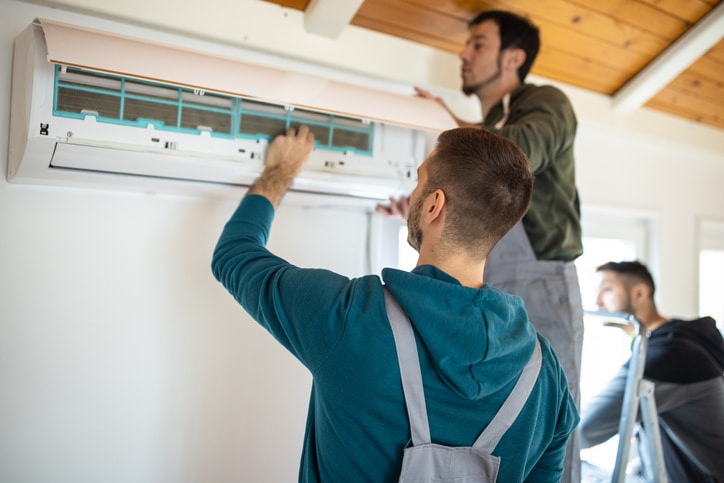
You’ve likely faced the challenge of a broken air conditioner on a scorching summer day. It’s a situation that prompts immediate action, whether grabbing a screwdriver or calling in a pro. But what should you tackle independently, and when should you step back? In ‘The Ultimate Guide to Air Conditioner Repair: What You Should and Shouldn’t Do,’ we will unpack this mystery. From understanding your AC’s critical components to knowing the pitfalls to avoid in DIY repairs, we’re laying it all out. Stick around, and you might save a sweaty, uncomfortable afternoon.
Understanding Your Air Conditioner
Before you plunge into the specifics of air conditioner repair, it’s crucial to understand the critical components of your unit and how they work together to cool your home. Here’s a quick primer. Your AC unit consists of two main parts: the indoor unit, usually located near your furnace, and the outdoor unit, often known as the condenser. These two work in unison to keep your home comfortable. The indoor unit absorbs heat from your home’s air and blows it over cold evaporator coils. The refrigerant inside these coils absorbs the heat and transforms it into a gas, then travels to the outdoor unit.
The condenser’s primary task is to expel this heat-laden gas to the outdoors, cooling it back into a liquid state. The thermostat in your home regulates this continuous cycle of heat absorption and expulsion.
Now, it’s equally important to know about the compressor, the heart of your AC system. It pressurizes the refrigerant and circulates it between the indoor and outdoor units. Without a properly functioning compressor, your AC unit’s cooling capacity is significantly compromised.
Common AC Problems and Symptoms
Now that you’re familiar with the basics of your AC system, let’s explore the common problems and symptoms that may indicate that your unit needs repair.
The first tell-tale sign you’ll notice is reduced airflow. If your AC isn’t cooling your home as efficiently as it used to, or if you’re not feeling any cool air, there’s likely something wrong with your system. This could be due to a faulty compressor or a blocked condenser coil.
Another common symptom is strange noises. AC systems should operate quietly. If you hear rattling, buzzing, or whistling sounds, it’s a strong indicator that your unit could have loose or broken parts.
Don’t ignore strange odors, either. A foul or pungent smell could signify burned-out wire insulation, while a musty scent might suggest mold growth inside your unit or ductwork.
Lastly, you notice frequent cycles, even in cooler weather, or your energy bill is unusually high. In that case, your AC may be overworking due to either a low refrigerant level or a failing component. Remember, early detection and repair can prevent more severe problems.
Essential Maintenance You Can Do
A handful of basic maintenance tasks can go a long way in keeping your AC unit operating efficiently and preventing minor issues from escalating into major problems. You don’t need to be a pro to handle these tasks; they’ll save you time, money, and the inconvenience of unexpected breakdowns.
Firstly, regular filter replacement is a must. This should be done at least every three months or more often if you have pets or allergies. Dirty filters restrict airflow, making your unit work harder and reducing lifespan.
Secondly, it is essential to keep the area around your outdoor unit clear. Remove debris, such as leaves or branches, and ensure at least two feet of clearance around the unit for peak airflow.
Lastly, you should clean the AC coils annually. Dirty coils can reduce your system’s ability to cool your home and cause the system to run longer, increasing energy costs and reducing the life of the equipment.
Advanced Repairs for the Brave
Venturing into the domain of advanced repairs requires a bit more courage and technical know-how to tackle issues like faulty thermostats, refrigerant leaks, or electrical malfunctions. These aren’t your everyday fixes, but with patience, the right tools, and this guide, you’re up to the task.
Firstly, dealing with a faulty thermostat requires careful inspection. If your AC isn’t cooling the house or it’s running nonstop, the thermostat could be the culprit. You’ll need to check if it’s level, clean, and not affected by sunlight. If it’s digital, verify that the batteries aren’t dead.
Next, refrigerant leaks aren’t just about topping the refrigerant off. It’s vital to fix the leak and then test and recharge the system with the precise amount of refrigerant. Remember, too much or too little can impair system efficiency and damage your unit.
Finally, electrical issues can be tricky. A multimeter will become your best friend here. If your AC unit isn’t starting, test the capacitor, check the contractor switch, and confirm the fuse isn’t blown. However, tread carefully; electricity isn’t something to mess around with.
What to Avoid in DIY Repairs
While tackling DIY repairs can be rewarding, it is crucial to recognize common pitfalls that could damage your air conditioning unit or pose a safety risk. Foremost, only rush into a repair with proper research and understanding. AC units are intricate systems, and mishandling them can lead to costly damages.
Secondly, don’t neglect safety precautions. Always turn off the power supply before starting any work on your unit. Working with electricity poses a risk of shock if you’re not careful. Also, avoid handling refrigerant without proper training and equipment, as it can cause injury or even be fatal in certain circumstances.
Lastly, you should avoid buying cheaper, non-branded parts. They might seem like a good deal, but they often cost more in the long run due to their poor quality and fit.
When to Call a Professional
Knowing when to throw in the towel and call a professional can save you time and money in the long run. There are certain instances where it’s wise to let the experts handle the job. If your air conditioner is making strange noises, emitting bad smells, or running constantly without properly cooling, it’s time to pick up the phone. These could be signs of serious issues that require professional attention.
Also, if you’ve tried basic troubleshooting methods, like checking the thermostat, cleaning the filters, and ensuring the power is on, and you still have issues, a professional should be called. They’ve got specialized tools and training to diagnose and fix complex problems.
Another critical time to call a professional is when your AC unit is old. If it’s more than ten years old and frequently needs repairs, a professional can advise whether it’s more cost-effective to repair or replace. After all, you shouldn’t be throwing good money after bad.
Choosing the Right Repair Service
After deciding that a professional repair service is necessary, you must choose the right one to guarantee your air conditioner gets the best possible care. But how can you ascertain you’re making the right choice? Here are a few key points to contemplate:
- Experience: Look for a company that has been in business for a while. Their experience can speak volumes about the quality of their work.
- Credentials: Make sure they’re licensed and insured. This protects you if something goes wrong during the repair.
- Customer reviews: Don’t overlook the power of customer reviews. They provide fundamental insights into a company’s performance.
But don’t stop there. It’s also important to get a detailed estimate before work begins. This should include the cost of parts, labor, and any potential additional fees. Avoid any company that isn’t willing to provide this.
Conclusion
So, don’t be cautious about your AC’s health. Tackle basic maintenance tasks, but avoid complex repairs unless you’re well-versed in your system. Remember, cutting corners on regular upkeep can lead to more significant headaches. Know when to call in the cavalry; the right professional can save you time and money and guarantee your AC keeps cool for years.
Frequently Asked Questions
How Often Should I Replace My Air Conditioner Filters?
It would help if you replaced your air conditioner’s filters every 1-3 months. However, if you have pets or allergies, you’ll need to change them more frequently. This is essential for maintaining efficient cooling and good air quality.
What Health Risks Are Associated With a Malfunctioning Air Conditioner?
A malfunctioning air conditioner can expose you to health risks, such as respiratory issues, allergies, and skin conditions. You must maintain your AC properly to prevent these problems from affecting your well-being.
Are There Any Additional Protective Measures for Air Conditioners During Extreme Weather Conditions?
Yes, during extreme weather conditions, you should cover your air conditioner with a protective cover. It’ll guard against debris and moisture buildup, prolonging the unit’s lifespan. Regular maintenance checks are also essential for peak performance.
How Can I Recycle or Dispose of My Old Air Conditioner in an Eco-Friendly Way?
Ironically, your old air conditioner can become a savior for the environment. For safe disposal, find an EPA-certified recycling center. They’ll guarantee harmful substances are properly handled, making your disposal eco-friendly.