
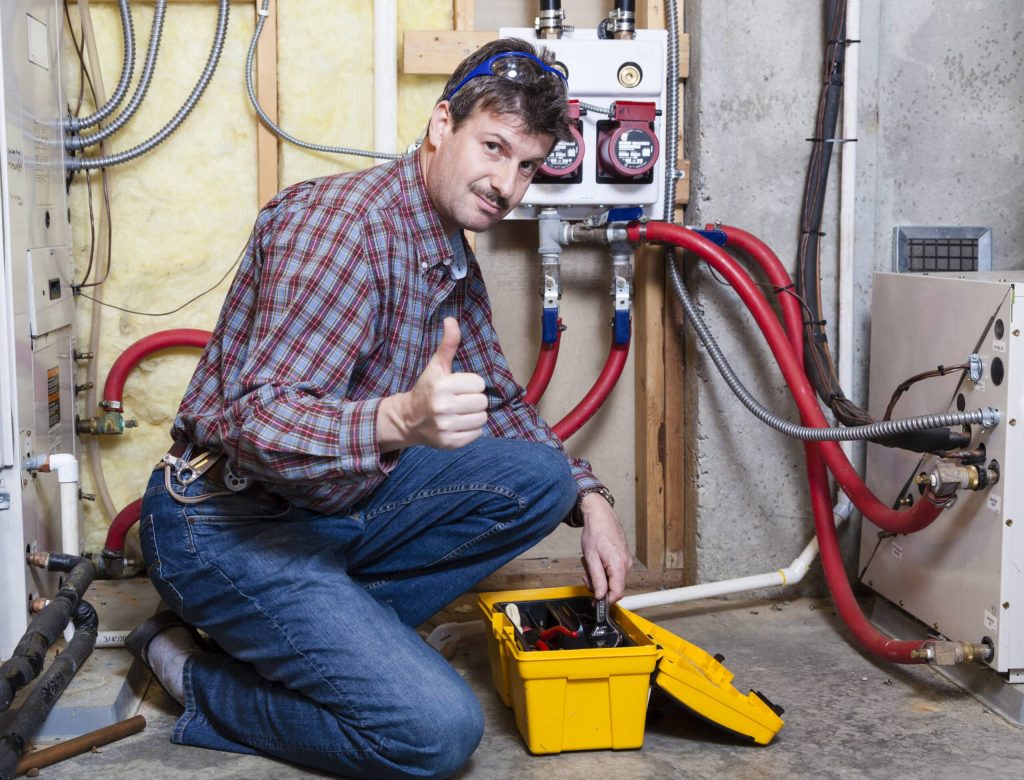
Did you know that a well-maintained furnace can reduce your energy bills by up to 30%? To keep your home warm and efficient, staying on top of furnace maintenance is essential. From regularly changing air filters to scheduling professional inspections, these steps can make a significant difference. But that’s just the beginning. Ensuring your furnace operates smoothly involves several critical practices you might not have considered yet. Let’s explore what else you can do to maximize your system’s performance and longevity.
Change the Air Filter
To maintain ideal furnace performance, regularly replace the air filter according to the manufacturer’s specifications. Begin by locating the filter compartment, typically found near the return air duct or blower compartment. Use a screwdriver if necessary to access the panel.
Next, check the existing filter’s dimensions (usually printed on the filter frame) and procure a replacement of the same size and type. It’s essential to select filters with the appropriate Minimum Efficiency Reporting Value (MERV) rating that aligns with your system’s requirements, balancing air quality improvement and airflow efficiency.
Remove the old filter carefully, noting the direction of the airflow arrows. Insert the new filter with the same orientation. Proper installation is vital to guarantee maximum air circulation and filtration. Secure the panel back in place, ensuring no gaps or misalignments.
Inspect the Thermostat
Regularly inspecting the thermostat guarantees accurate temperature control and perfect furnace performance. Start by confirming the thermostat is level and securely mounted on the wall. An uneven or loose thermostat can lead to erroneous temperature readings, causing the furnace to work inefficiently.
Next, check the settings. Verify that it’s set to “heat” during the colder months and that the temperature aligns with your comfort preferences. If you use a programmable thermostat, confirm the schedule matches your daily routine for the best energy savings.
Inspect the wiring connections. Turn off the thermostat’s power and remove the cover. Look for loose or corroded wires, tightening or replacing them as necessary. This step prevents faulty connections that disrupt communication between the thermostat and the furnace.
Clean the Furnace Blower
Ensuring the furnace blower is clean will optimize airflow and efficiency, preventing dust and debris from hampering performance. To ensure safety, begin by turning off the furnace via the main switch and the circuit breaker. Locate the blower compartment behind the access panel. Remove the panel using a screwdriver, and you’ll see the blower assembly.
Next, clean the blower blades and motor with a soft brush to dislodge any accumulated dirt. Follow up with a vacuum to capture the loosened debris. Be cautious not to bend the blades as this can lead to imbalanced operation. Here’s a step-by-step breakdown:
- Switch off the power: Ensure the furnace switch and circuit breaker are off.
- Access the blower: Open the access panel with a screwdriver.
- Clean the blower blades: Use a soft brush to clear dust and dirt gently.
- Vacuum debris: Thoroughly vacuum the area to remove all loosened particles.
- Reassemble carefully: Make sure all components are correctly secured before restoring power.
Check the Pilot Light
After cleaning the blower, your next task is to inspect the pilot light to guarantee it’s functioning correctly. First, locate the pilot light assembly. Typically, it’s found near the bottom of the furnace, adjacent to the gas control valve. Make sure the area is well-ventilated before proceeding.
Next, observe the pilot light’s flame. A properly functioning pilot light should exhibit a steady blue flame. If the flame is yellow or flickering, it indicates incomplete combustion, which can result from a dirty pilot orifice. To clean it, turn off the gas supply and use a fine wire or needle to remove debris from the orifice.
After cleaning:
- Reignite the pilot light by turning the gas control valve to the ‘pilot’ position and holding a lit match or igniter near the orifice.
- Depress the reset button until the flame ignites and burns steadily.
- Release the button and turn the valve to the ‘on’ position.
Clear Vents and Ducts
To optimize your furnace’s efficiency, start by inspecting and clearing all vents and ducts to confirm unobstructed airflow. Blocked or dirty vents and ducts can severely restrict airflow, forcing your furnace to work harder and reducing lifespan. Here’s how to ascertain your system operates at peak performance:
- Visual Inspection: Begin with a thorough visual inspection. Look for visible blockages, like dust buildup, pet hair, or debris around the vent openings.
- Vacuuming: Use a high-powered vacuum with a hose attachment to remove any accumulated dust and debris. Focus on both supply and return vents.
- Check for Obstructions: Verify furniture, rugs, or other objects aren’t obstructing vents and registers. Clear at least 18 inches of space around each vent.
- Professional Duct Cleaning: Schedule a professional duct cleaning service every 3-5 years to address deeper, hard-to-reach buildup that can impede airflow.
- Seal Leaks: Inspect ductwork for leaks or gaps. Use mastic sealant or metal tape to seal any leaks, assuring efficient airflow and preventing heat loss.
Lubricate Moving Parts
Lubricate the blower motor and other moving parts annually to maintain ideal furnace performance and prevent mechanical wear. Start by unplugging the furnace to guarantee safety. Locate the blower motor, which is typically found behind the access panel. Use a high-temperature, non-detergent oil designed explicitly for lubrication in high-heat environments.
Apply 2-3 drops of oil to the motor’s designated oil ports. Avoid over-lubrication, as it can attract dust and create sludge, impairing motor function. Rotate the motor manually to distribute the oil evenly.
Next, inspect and lubricate the bearings and pulleys. Sealed bearings do not require lubrication, but if yours are not sealed, apply a small amount of lubricant to reduce friction and enhance longevity. For belt-driven systems, check the belt’s tension and condition. A loose or worn belt needs adjustment or replacement to guarantee efficient operation.
Test Carbon Monoxide Detectors
Guaranteeing the safety of your household, regularly test carbon monoxide detectors to verify they are functioning correctly and providing accurate readings. Begin by pressing the test button on each detector. You should hear a loud, piercing alarm, signaling the device is operational. If the sound is weak or absent, replace the batteries immediately. Carbon monoxide is odorless and lethal, making it vital to confirm these detectors are in prime condition.
Follow these steps to conduct a thorough test:
- Inspect sensor lifespan: Check the manufacturer’s instructions for the sensor’s expiration date. Most sensors need replacement every 5-7 years.
- Verify power sources: Confirm hardwired detectors have a battery backup and replace the batteries in battery-operated units every six months.
- Test in multiple locations: Place detectors near sleeping areas and fuel-burning appliances. Test each one to confirm they cover potential risk zones.
- Simulate CO exposure: Use a CO test kit to simulate carbon monoxide presence and validate that detectors respond correctly.
- Document results: Keep a log of testing dates and outcomes to track maintenance and confirm regular checks.
Schedule Professional Maintenance
After verifying your carbon monoxide detectors, scheduling professional maintenance is essential to guaranteeing your furnace operates efficiently and safely. Engaging a certified HVAC technician annually ensures that your system is thoroughly inspected, cleaned, and fine-tuned. During the maintenance visit, the technician will inspect the heat exchanger for cracks, a vital step in preventing hazardous carbon monoxide leaks.
They’ll also calibrate the thermostat, ensuring it communicates correctly with your furnace for ideal temperature control. The technician will lubricate moving parts, replace worn-out belts, and inspect electrical connections, mitigating risks of malfunctions or fire hazards. Additionally, the professional will clean the blower assembly and check the burner combustion, enhancing the furnace’s efficiency and prolonging its lifespan.
Conclusion
These top furnace maintenance tips will keep your home warm and efficient like a well-oiled machine. Don’t neglect regular tasks like changing the air filter and inspecting the thermostat; they’re essential for peak performance. Just as a well-tuned car runs smoother, your furnace will operate more efficiently with proper care. Schedule professional maintenance annually to catch any issues early and guarantee your system runs flawlessly, enhancing energy efficiency and indoor air quality.
Frequently Asked Questions
How Often Should I Inspect My Furnace for Rust or Corrosion?
You should inspect your furnace for rust or corrosion at least once a year. Regularly checking guarantees peak performance and safety and prevents costly repairs. A thorough inspection includes examining heat exchangers, flue pipes, and combustion chambers.
What Steps Should I Take to Prepare My Furnace for Winter?
To prepare your furnace for winter, inspect and clean the burners, replace the filter, check the thermostat, lubricate moving parts, test the ignition system, guarantee proper ventilation, seal ducts, and schedule a professional inspection.
How Do I Improve My Home’s Overall Energy Efficiency With My Furnace?
To improve your home’s energy efficiency with your furnace, regularly clean or replace filters, seal ductwork, guarantee proper insulation, and install a programmable thermostat. Conduct annual professional inspections to maintain ideal furnace performance and energy savings.
What Signs Indicate That My Furnace Is Nearing the End of Its Lifespan?
When your furnace starts singing its swan song, you’ll notice frequent cycling, uneven heating, strange noises, and skyrocketing energy bills. Check for rust, cracks, and increased repair frequency, which are red flags that indicate it’s time for a replacement.